Type “sarees under ₹500” or “sarees under ₹1000” into any marketplace and you’ll instantly see thousands of options. It’s no surprise these searches have exploded in recent years. In a price-sensitive market, affordable fashion feels like a win — quick, accessible, and easy on the pocket.
But behind the attractive price tags lies a much bigger conversation that deserves attention, especially for women who genuinely love sarees and want their wardrobe to reflect both style and substance.
Let’s start with what makes budget sarees so popular. The biggest driver is obvious: affordability. For occasional wear, experimental styling, or one-time events, low-cost sarees offer an easy entry point. They allow younger buyers and first-time saree wearers to explore the silhouette without a large financial commitment. Fast delivery through large marketplaces has only accelerated this trend, making impulse buying almost effortless.
Social media has further amplified the demand. Influencers showcasing “₹499 saree hauls” or “budget saree finds” create instant curiosity and FOMO. The visual appeal in short-form videos makes these sarees look far more premium than their actual make, driving massive search volume and quick conversions.
However, this is where the deeper reality begins to unfold.
Most sarees in the ₹500–₹1000 bracket are machine-made using synthetic fabrics designed for speed and scale, not longevity. While they may look attractive on screen, many struggle with breathability, fall, and repeat wear comfort — especially in India’s climate. Over time, frequent buyers often realize they are replacing these sarees far more often than expected.
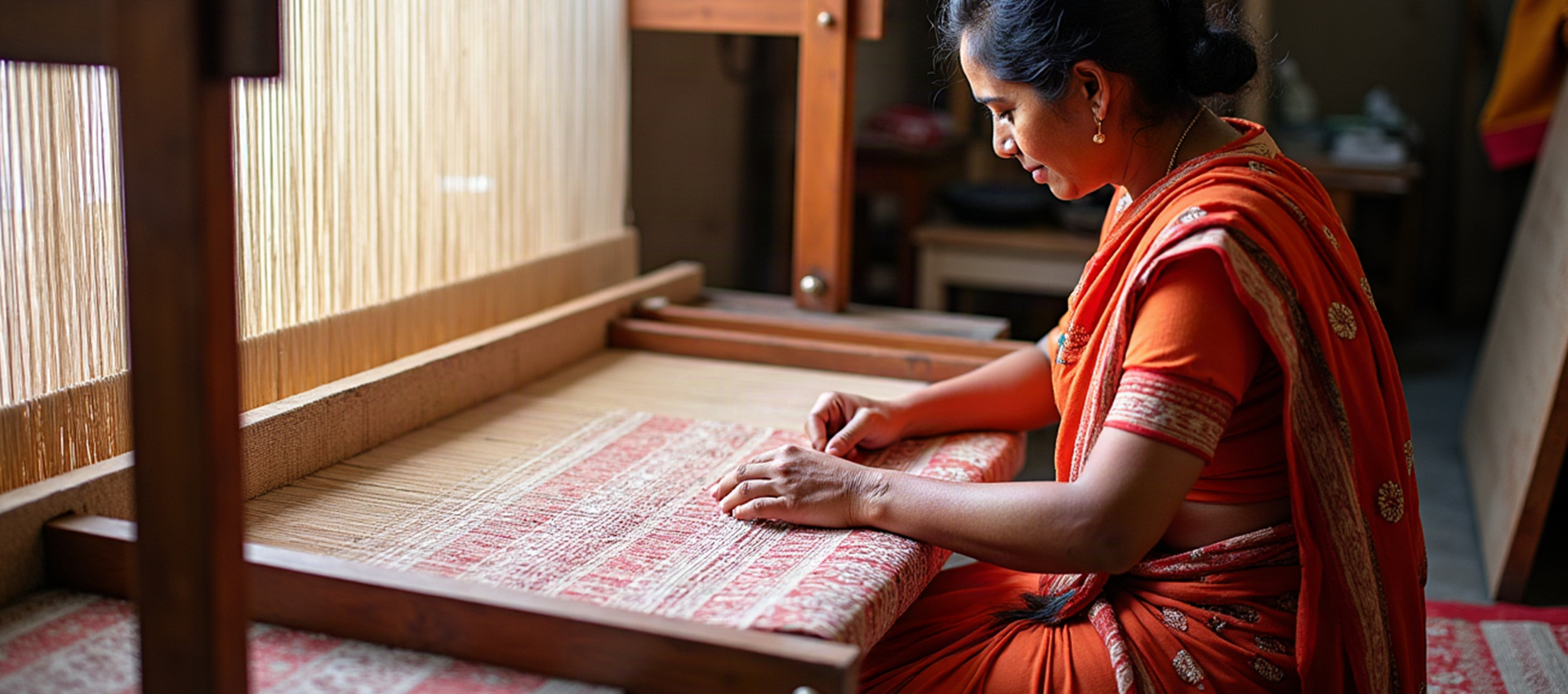
The impact goes beyond individual wardrobes. The surge in ultra-low-price sarees has quietly put immense pressure on India’s handloom ecosystem. Authentic handwoven sarees involve skilled artisans, time-intensive processes, and quality natural fibers. When mass-produced alternatives dominate search results and social feeds, genuine craftsmanship gets pushed further into the background.
For weavers and small handloom businesses, competing purely on price is simply not sustainable. A handcrafted saree cannot — and should not — be priced like a factory-made product. Yet constant exposure to rock-bottom pricing has begun reshaping customer expectations, often unfairly. Influencer culture, while powerful for discovery, sometimes adds to this distortion.
Many viral budget saree videos focus heavily on first impressions rather than long-term wearability, fabric quality, or craftsmanship. The result is a cycle where visual appeal drives demand faster than informed buying decisions. That said, the conversation is not about shaming affordability. Budget has its place in every wardrobe.
The real question is awareness. Smart saree buyers in 2026 are becoming more conscious of value versus price. They are beginning to ask: Will this saree last beyond a few wears? Does the fabric breathe? Is this supporting real craftsmanship or just fast fashion turnover? Am I building a wardrobe or just filling it?
For brands like Antarang that celebrate handcrafted elegance, this shift in awareness is crucial. The goal is not to compete with ₹500 sarees — it is to help customers understand the difference between momentary fashion and meaningful fashion. Because the most beautiful saree is not the cheapest one in your cart. It is the one you reach for again and again, the one that feels good on your skin, and the one that carries a story worth preserving.
As search trends continue to rise for budget sarees, the opportunity for conscious brands is clear: educate gently, showcase authenticity, and let quality speak over time. Fast fashion may win the scroll. Timeless craftsmanship wins the wardrobe.
The Complete Guide to Banarasi Sarees: 10 Types Every Saree Lover Should Know
September 28th, 2026
11 Fascinating Facts About Banarasi Sarees You Probably Never Knew
September 24th, 2026
Real vs Fake Banarasi Saree: 9 Ways to Spot Authentic Handloom Weaving
September 17th, 2026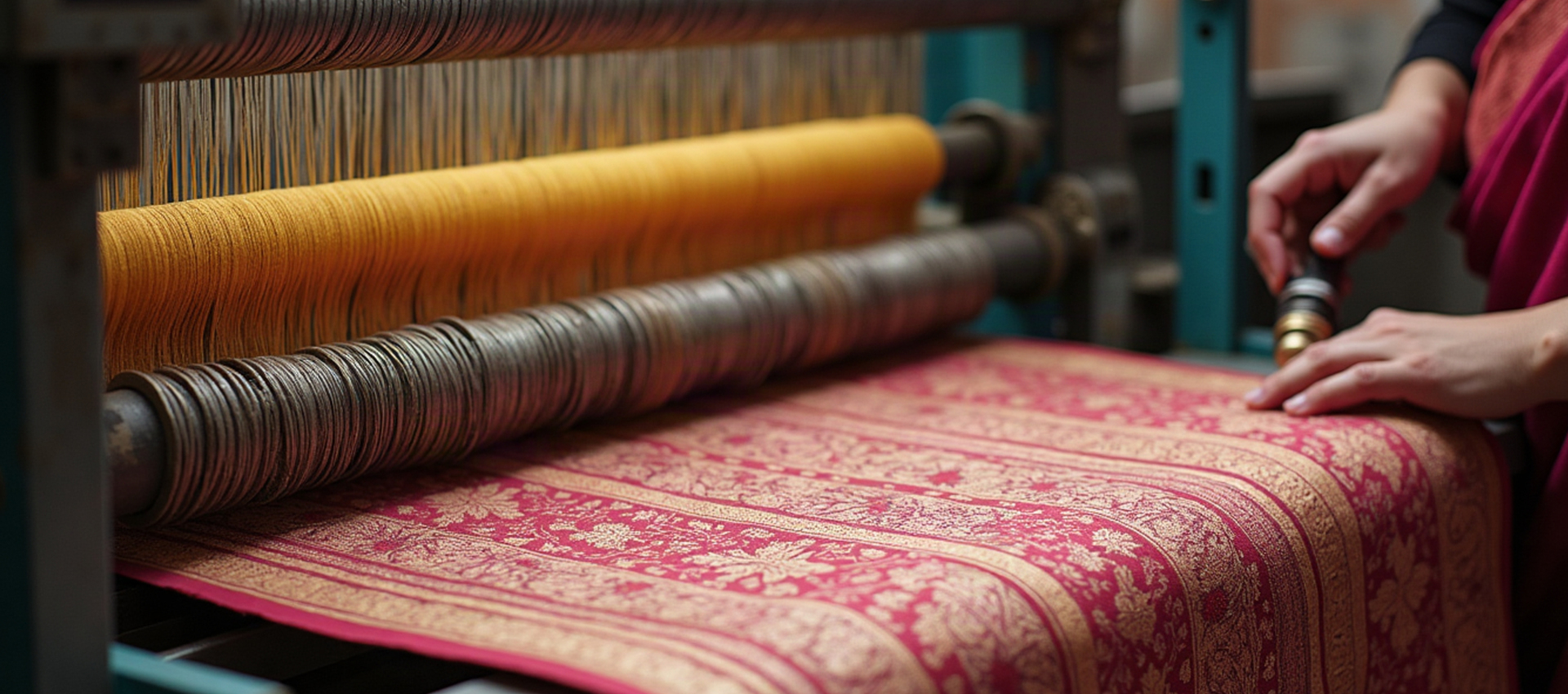
Jacquard Weaving Explained: Why Jacquard Does NOT Mean Powerloom
September 10th, 2026