
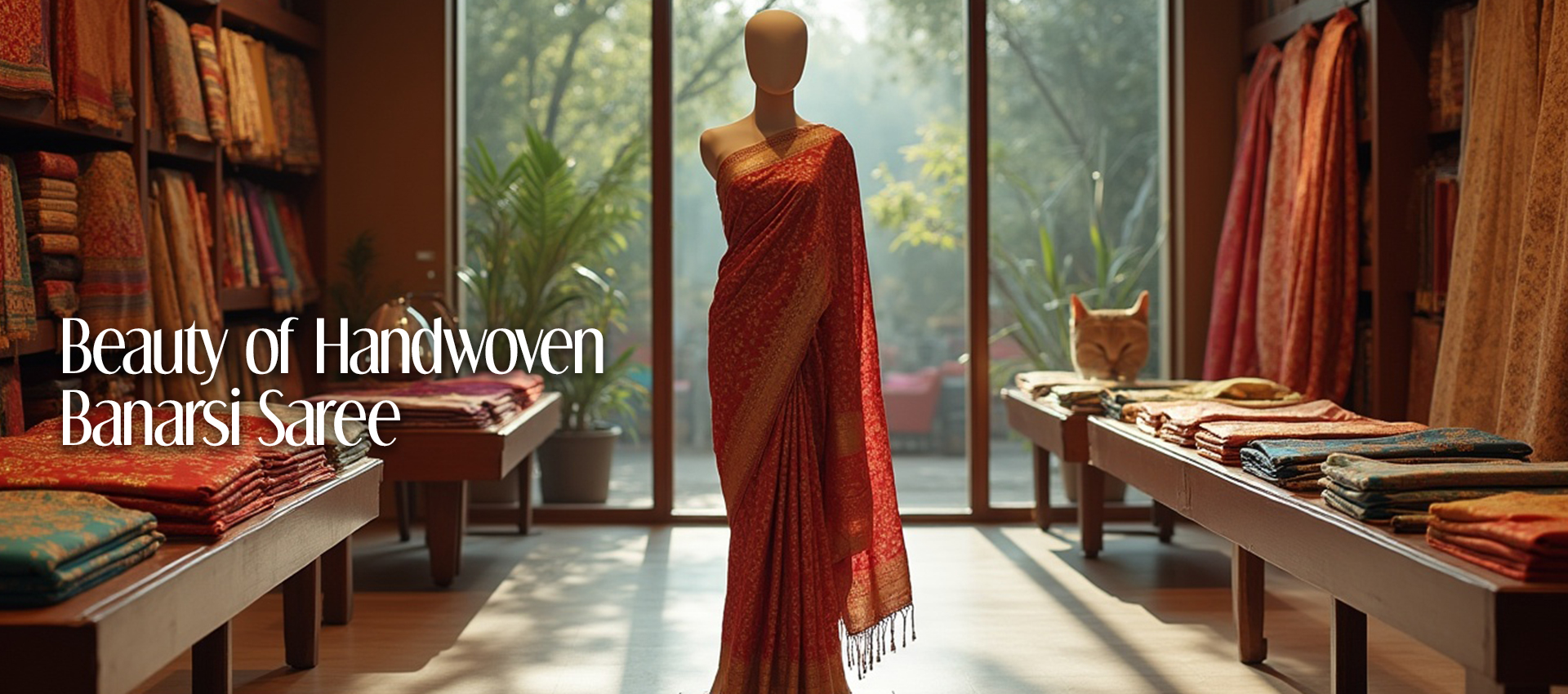
Banarasi sarees are far more diverse than the classic heavy gold-and-red wedding saree. From Katan and Organza to Tanchoi, Butidar, Jangla and Cutwork, each type has its own weave, texture, motifs and personality. This guide explores the different types of Banarasi sarees and helps you understand which one belongs in your wardrobe.
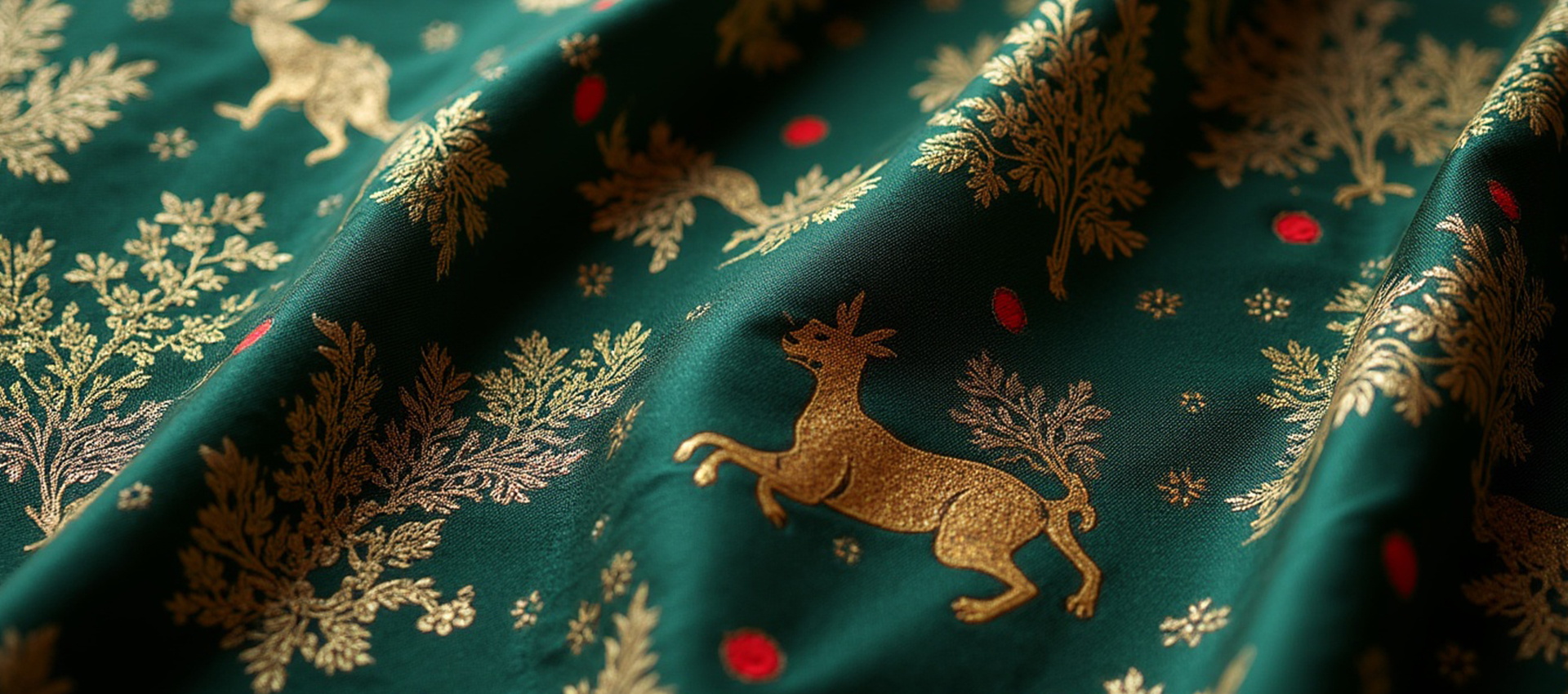
Think you know Banarasi sarees? There is much more to them than silk, gold zari and grand wedding drapes. From centuries-old weaving traditions and Persian influences to Kadhwa techniques, family-based craftsmanship and sarees that can take months to weave, discover fascinating facts about Banarasi sarees that reveal the extraordinary skill behind every drape.
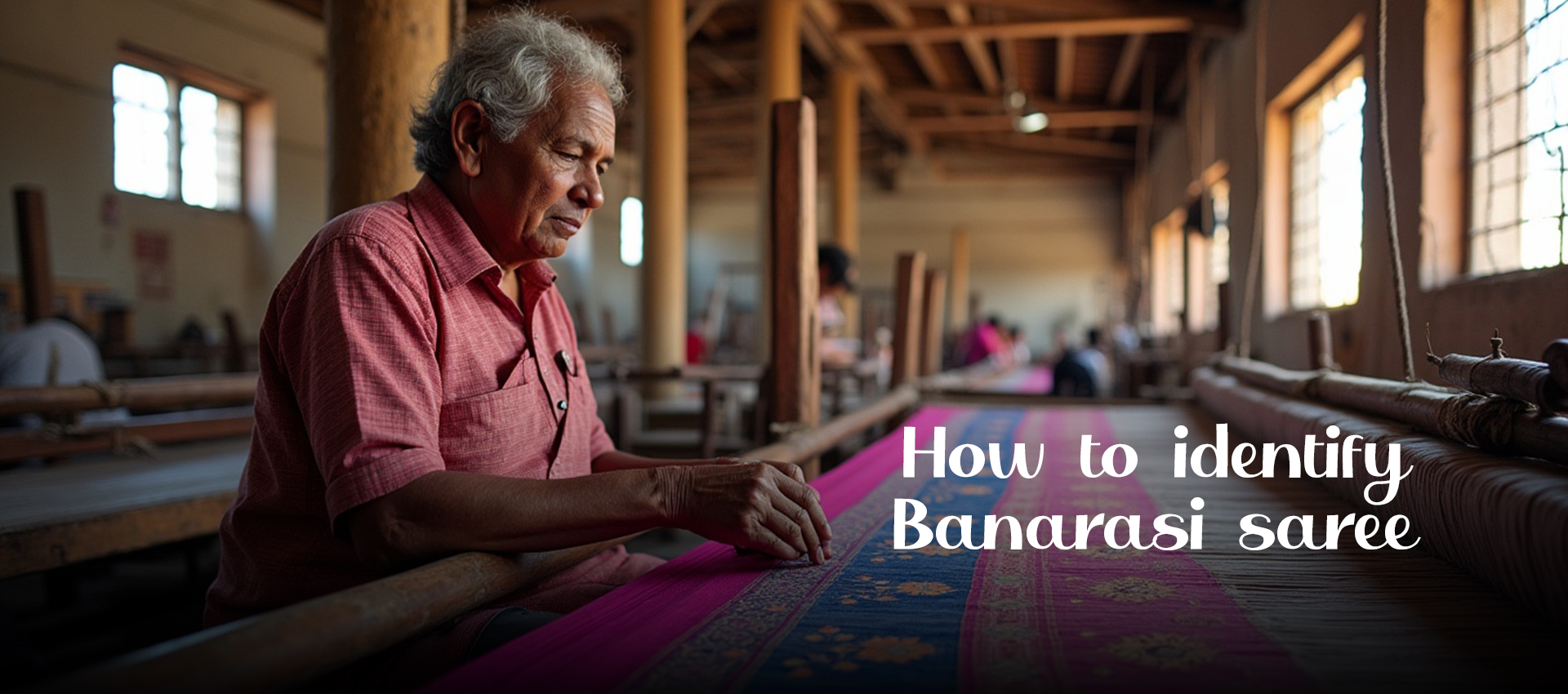
A genuine Banarasi saree is much more than a beautiful silk fabric with zari. Learn how to identify an authentic handwoven Banarasi saree, understand the difference between handloom and powerloom versions, examine the reverse side, zari, motifs, texture and finish, and shop with confidence.
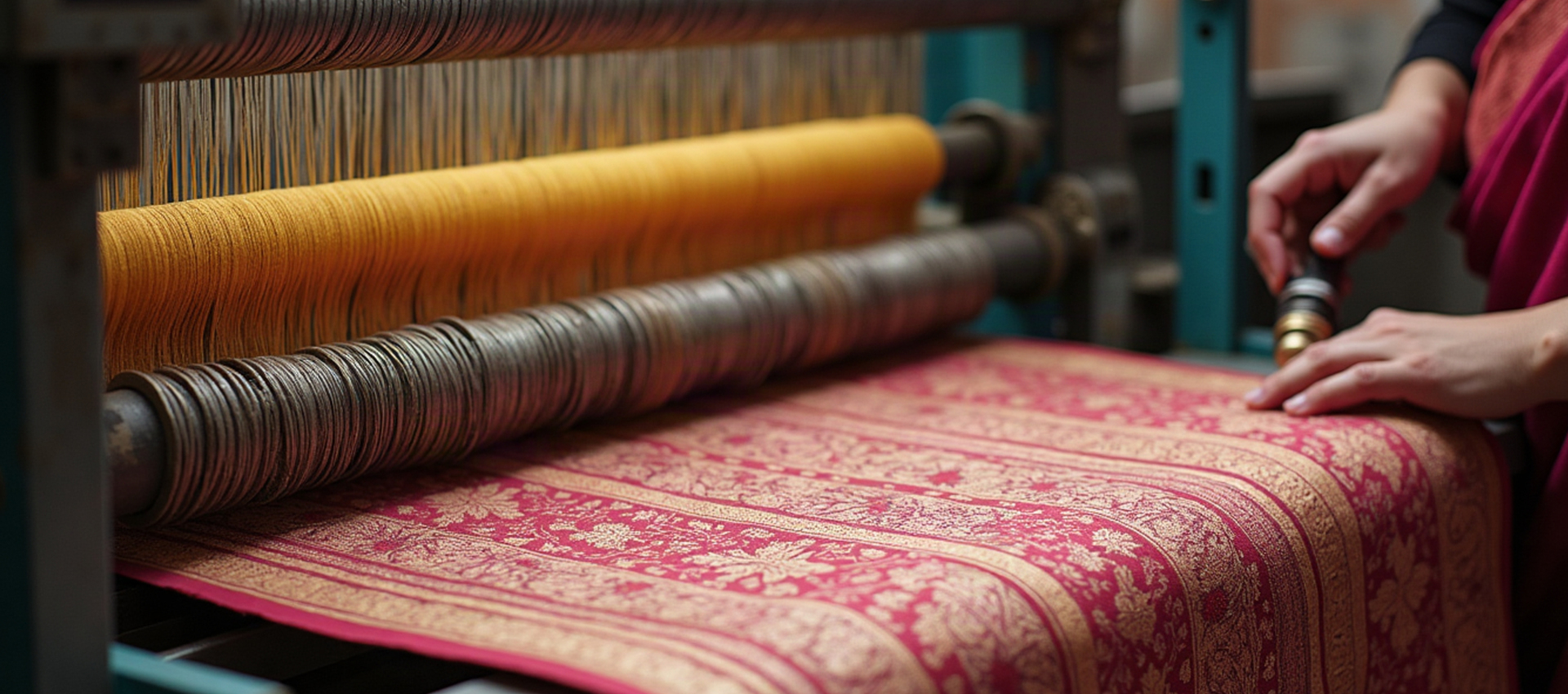
Jacquard and powerloom are often used as if they mean the same thing, but they don't. A Jacquard is a mechanism used to create complex woven designs, while a powerloom refers to how a loom is powered. Discover how Jacquard weaving works, how it can be used on handlooms, and why understanding this difference matters when buying sarees.
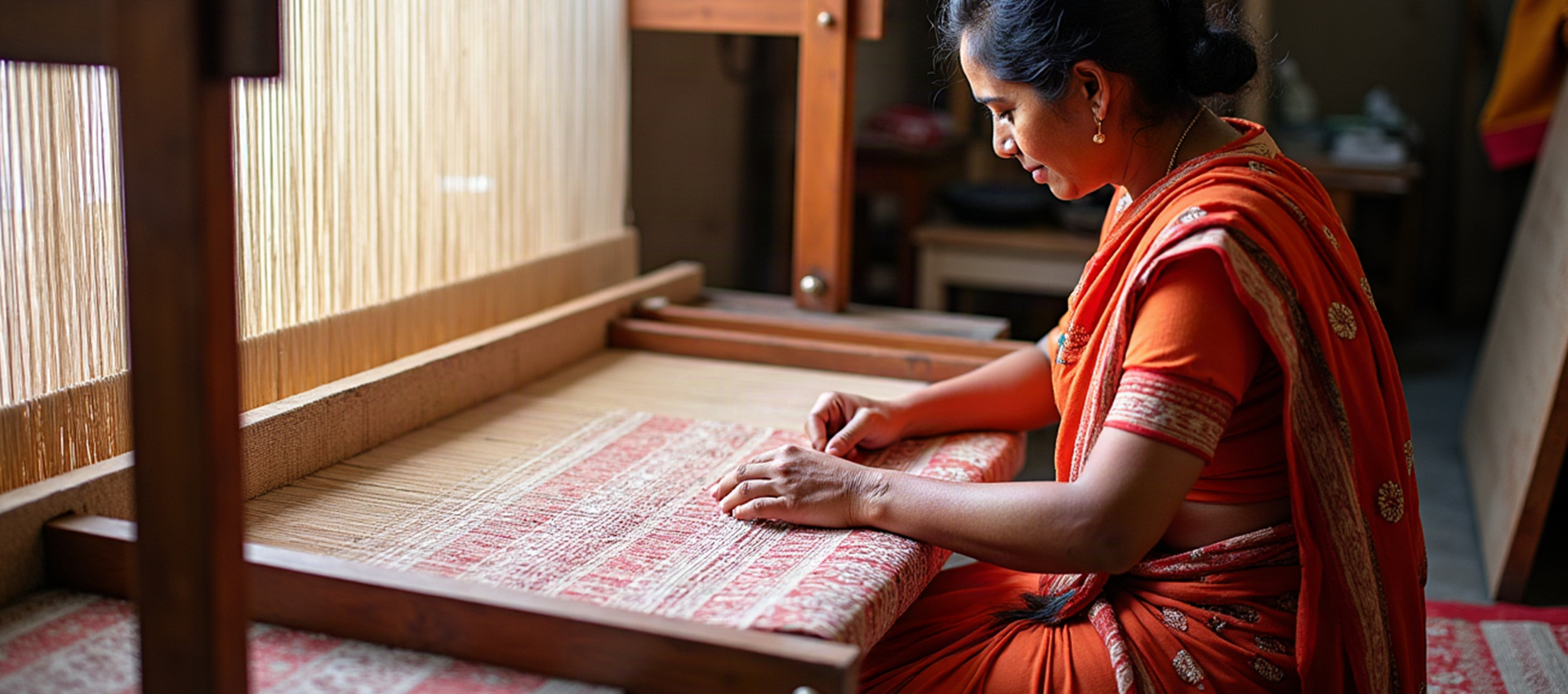
India’s handloom heritage is not one single weaving tradition but a remarkable collection of techniques shaped by geography, culture, materials and generations of artisan knowledge. Discover 12 traditional Indian weaving techniques, from Jamdani and Ikat to Kadhwa, Jacquard, Brocade and more, and understand what makes each one unique.
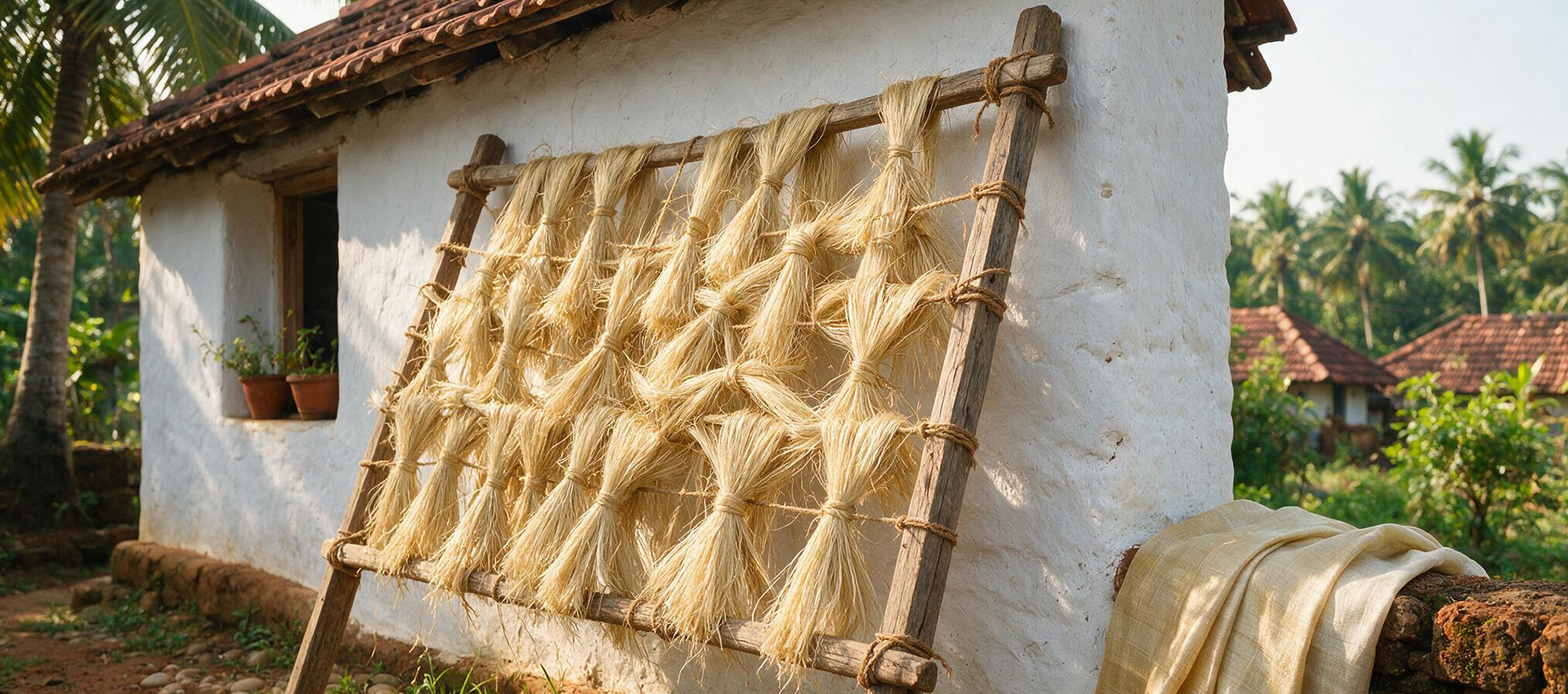
Discover the fascinating origin of linen sarees in India, from the ancient use of flax and linen in the Indian subcontinent to the rise of contemporary handwoven linen sarees. Explore how an ancient natural fibre found a new identity in India's six-yard tradition. Linen has a far older connection with India than most people realise. Ancient Indian texts contain references to flax and fine linen-like textiles, while contemporary Indian weavers have transformed linen into lightweight, breathable and beautifully textured sarees....
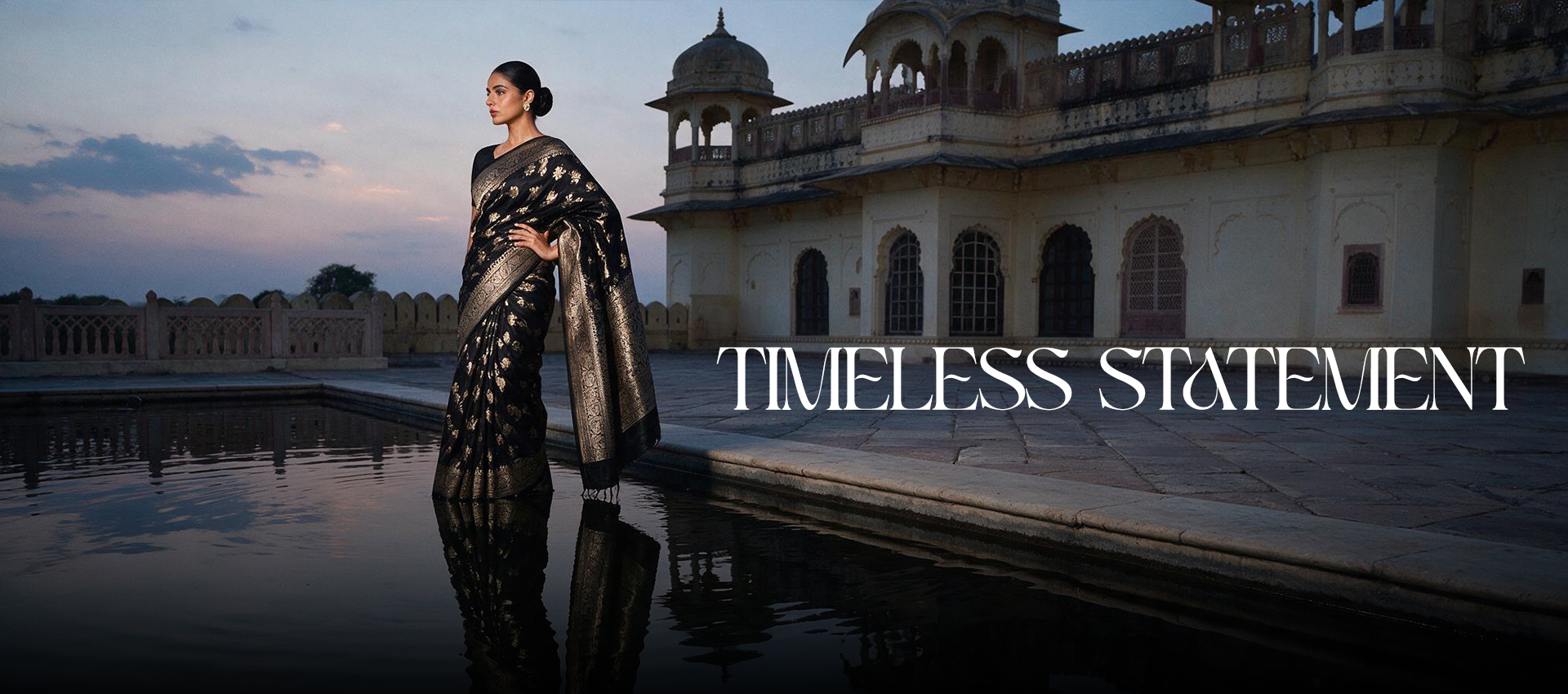
A black saree is far more versatile than most women realise. From office evenings and intimate dinners to cocktail parties, festive celebrations and weddings, discover five occasions where a black saree can make a sophisticated, modern and unforgettable statement.
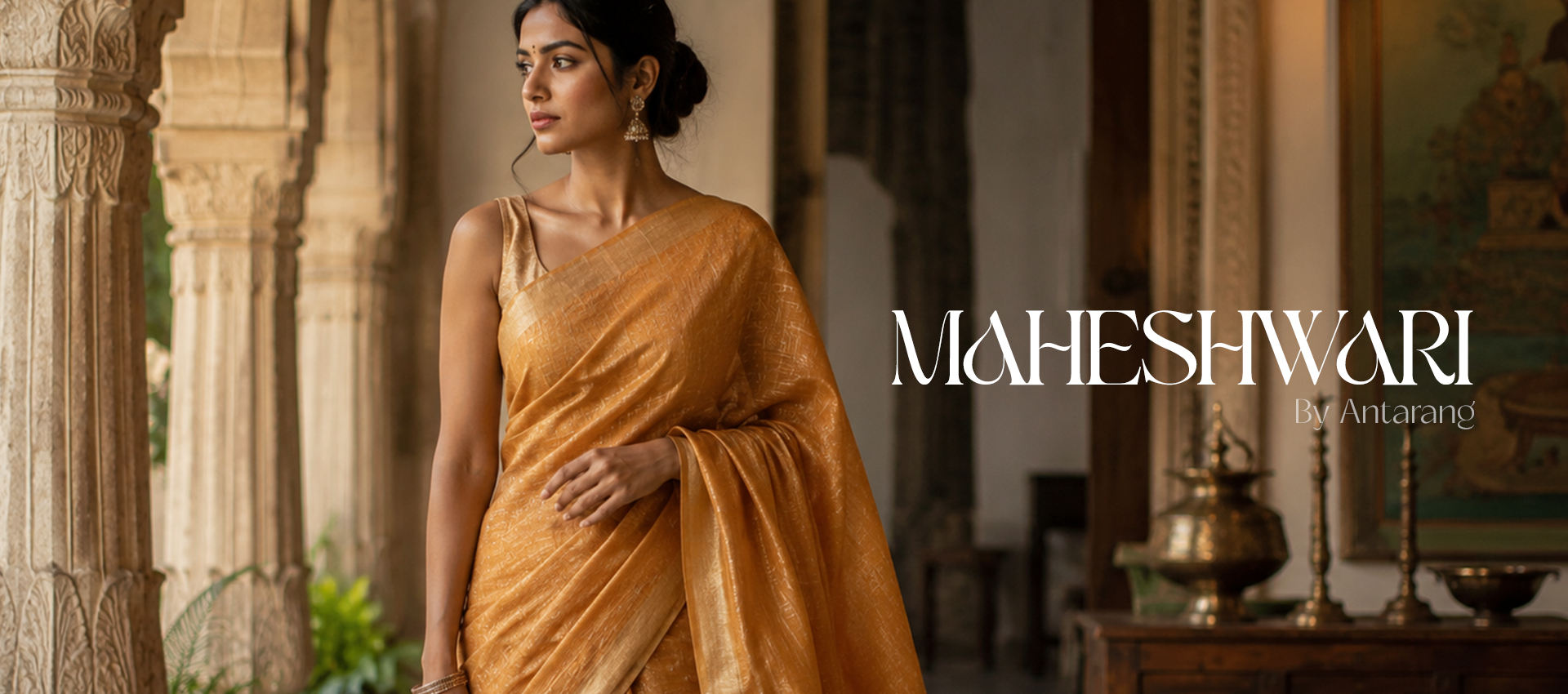
Discover the fascinating origin of the handwoven Maheshwari silk saree, from Queen Ahilyabai Holkar and the royal courts of Maheshwar to generations of skilled weavers who continue this iconic Madhya Pradesh handloom tradition.
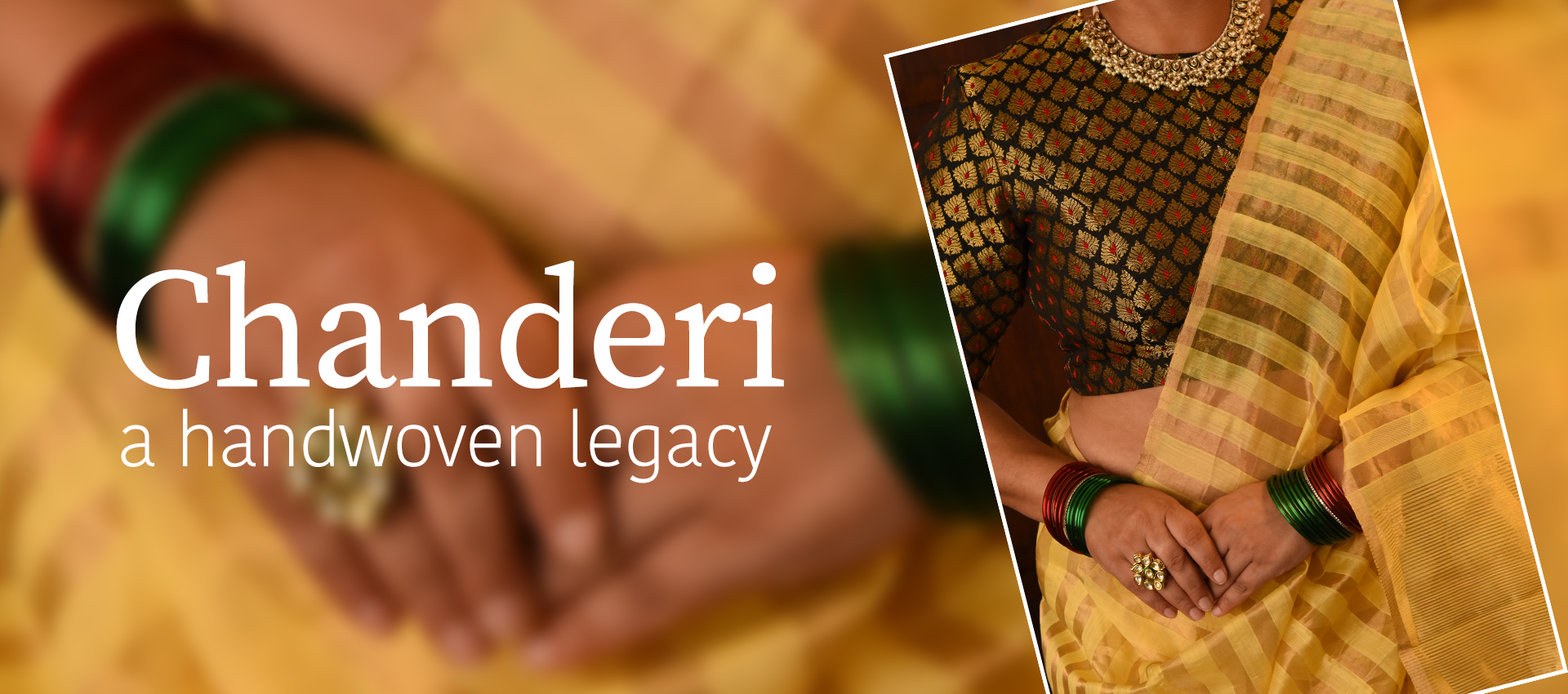
There are sarees that announce themselves the moment you enter a room. And then there is Chanderi. Light, translucent and almost impossibly delicate, the Chanderi saree has a quality that is difficult to explain until you have actually held one in your hands. It catches light differently, moves beautifully and carries the quiet elegance of a textile that has survived centuries of changing tastes....

Summer office dressing in India is a genuine problem — and a cotton saree, chosen well, is the best solution available. Here is your complete guide to the lightest, most breathable, most professionally appropriate handloom cotton sarees for the season that tests every wardrobe decision you have ever made.
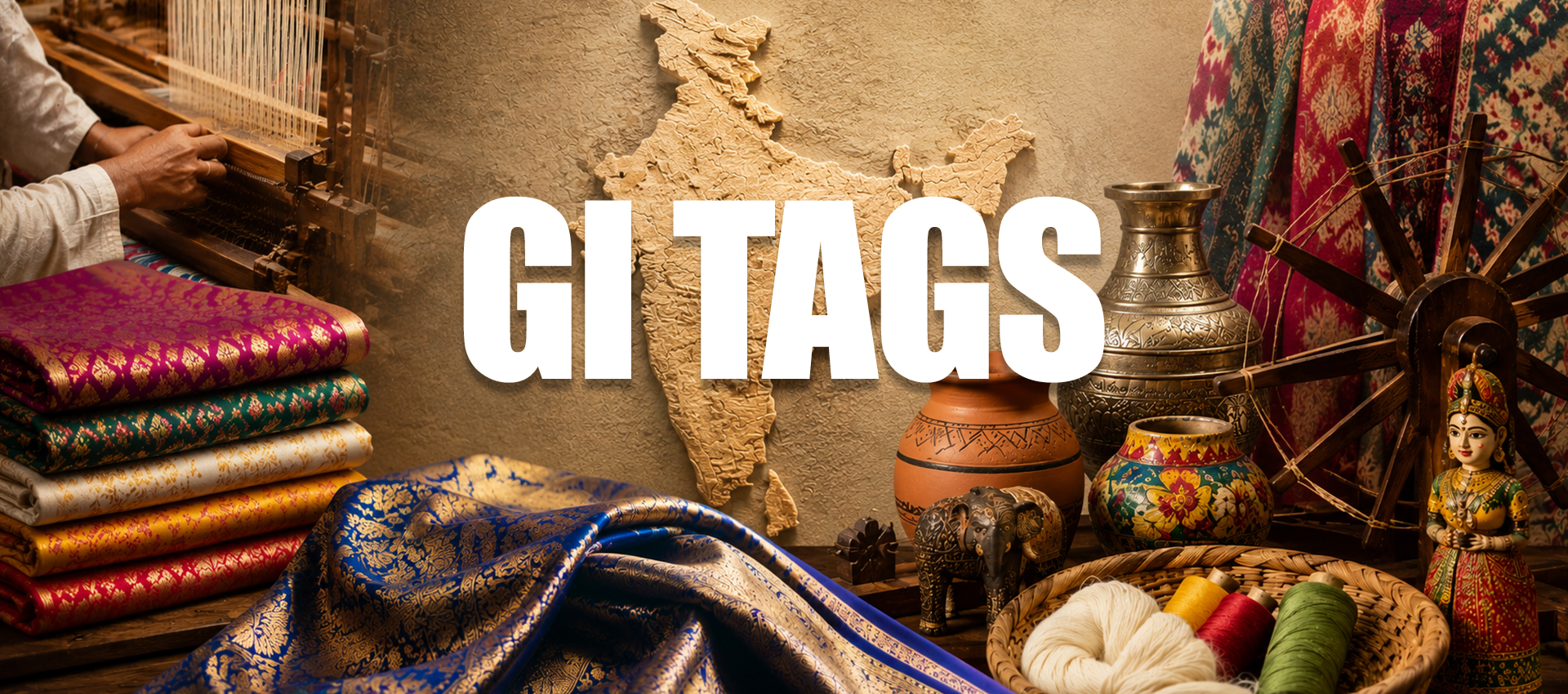
A GI tag might look like a small label, but for handloom saree lovers, it's the difference between owning a genuine Banarasi, Kanchipuram, or Patola and settling for a machine-made imitation. This blog traces the history of Geographical Indication tags in India, from the first one awarded to Darjeeling tea to the hundreds of handloom sarees now legally protected, and explains why every saree collector should learn to spot one before buying.
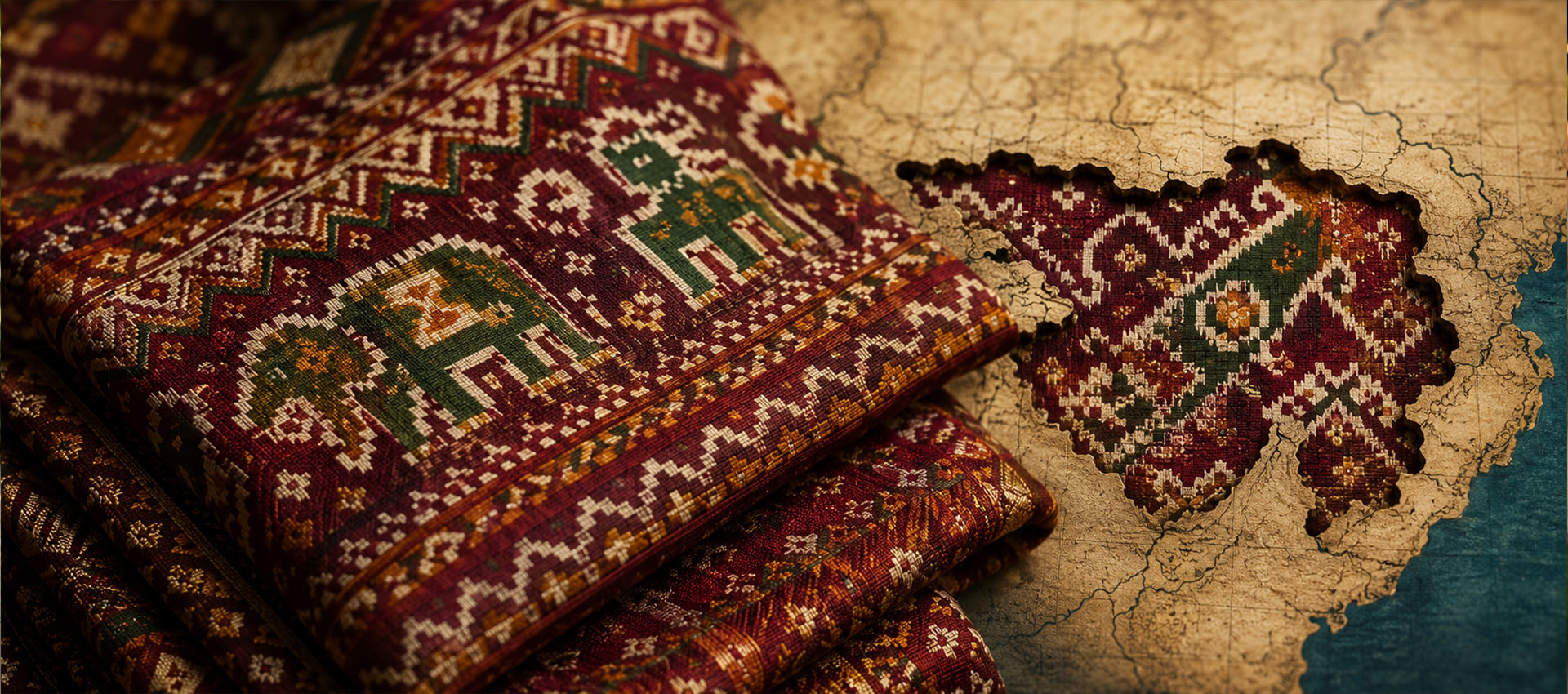
Patan Patola is one of India's rarest and most prized handloom treasures — a double ikat silk saree so painstaking to make that fewer than five families in the world still know how to weave it. This blog traces the craft's journey from 12th-century royal patronage in Gujarat to its status today as a GI-tagged heirloom textile, and explains why it has become an unmissable addition to every handloom saree lover's wardrobe. Along the way, you'll find fascinating facts, weaving secrets, and styling notes to help you appreciate — and choose — an authentic Patan Patola saree.
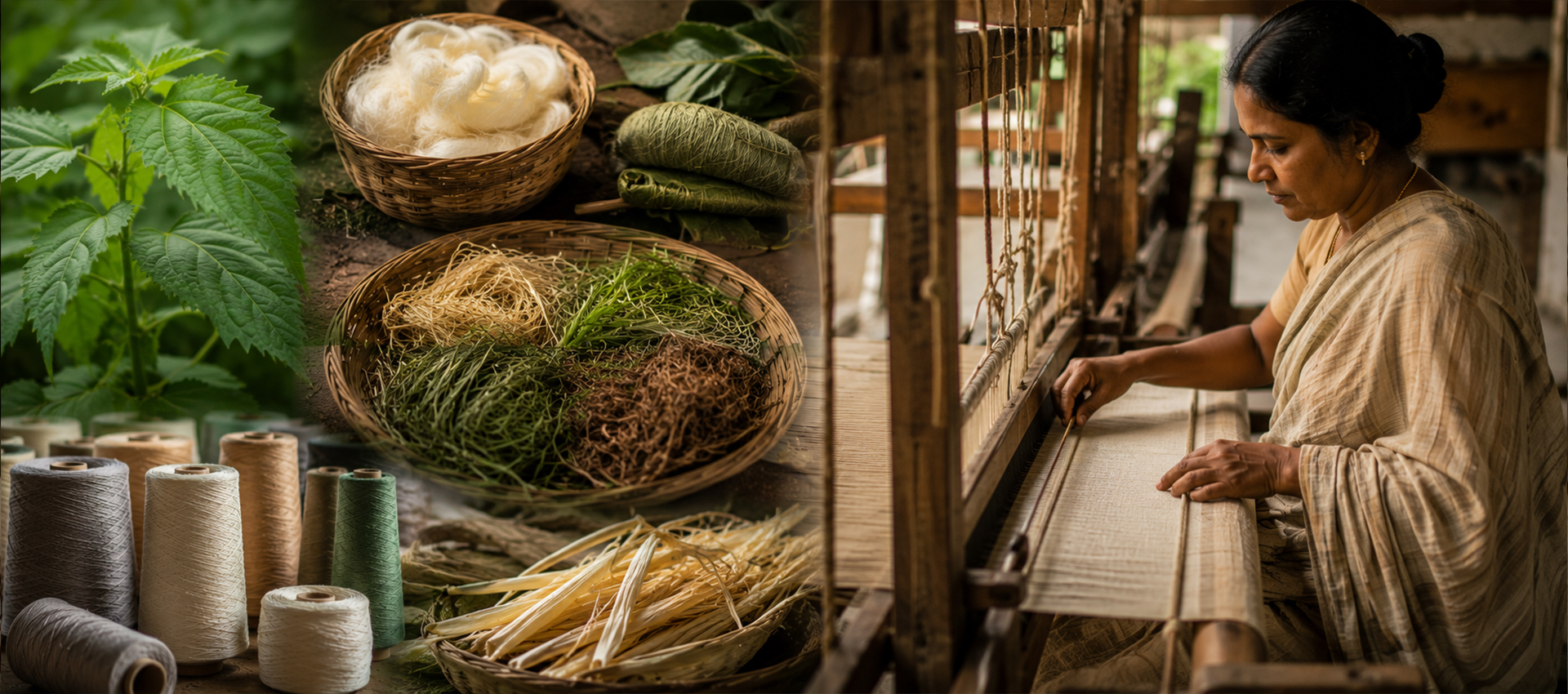
The future of Indian handloom is not a departure from tradition. It is tradition meeting radical imagination — ancient looms threaded with fibres extracted from banana stems, lotus stalks, and recycled ocean waste. Here is what is happening at the frontier of sustainable textile innovation, and why it matters for every conscious buyer.
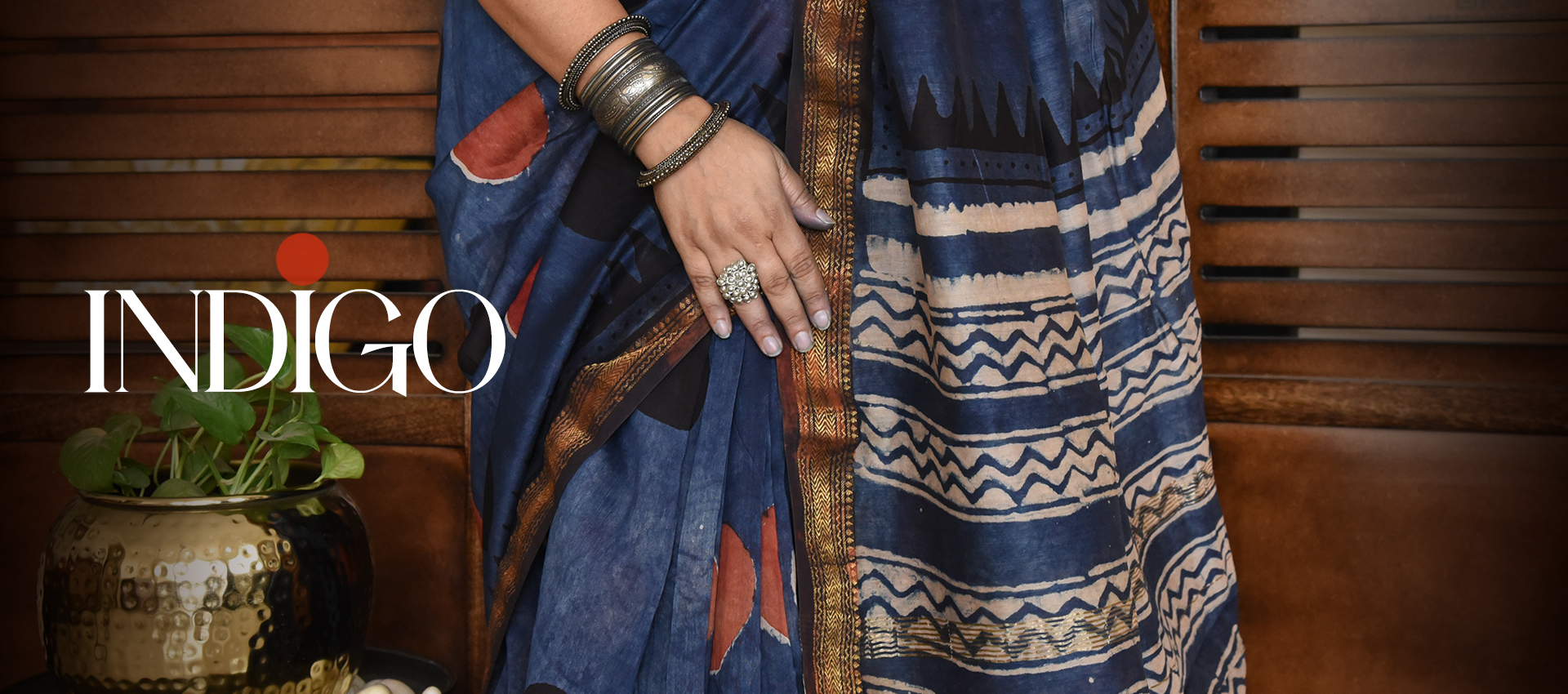
Indigo is not just a colour. It is a five-thousand-year-old obsession, a trade route, a revolution, a mood. And when it is woven into a handloom saree, it becomes something that no other garment in the world quite replicates. This is your complete guide to understanding, choosing, and wearing it right.
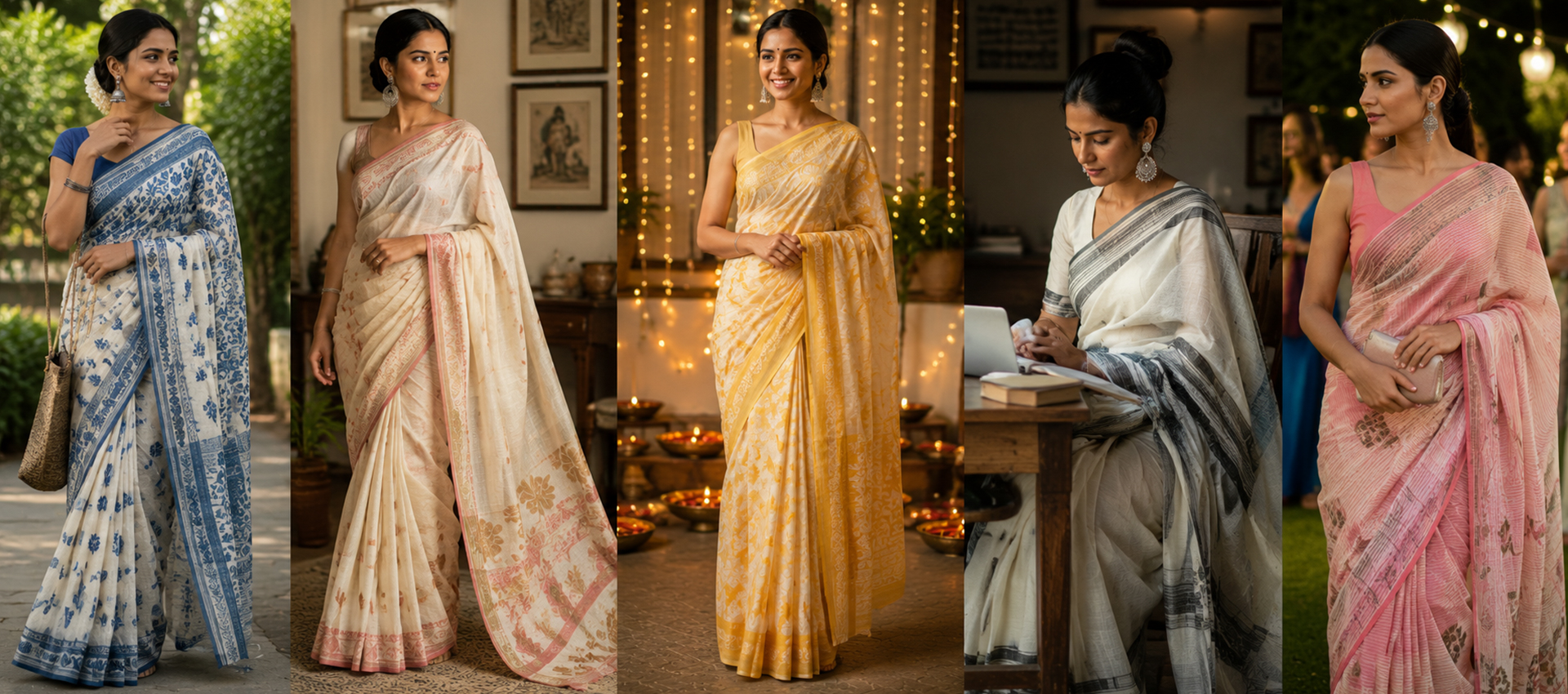
Cotton sarees have a reputation for being casual, everyday wear — and that reputation undersells them dramatically. With the right fabric, the right blouse, the right accessories, and the right draping style, a cotton saree can carry you from a Monday morning meeting to a Saturday evening wedding reception with complete confidence. Here is exactly how to do it.
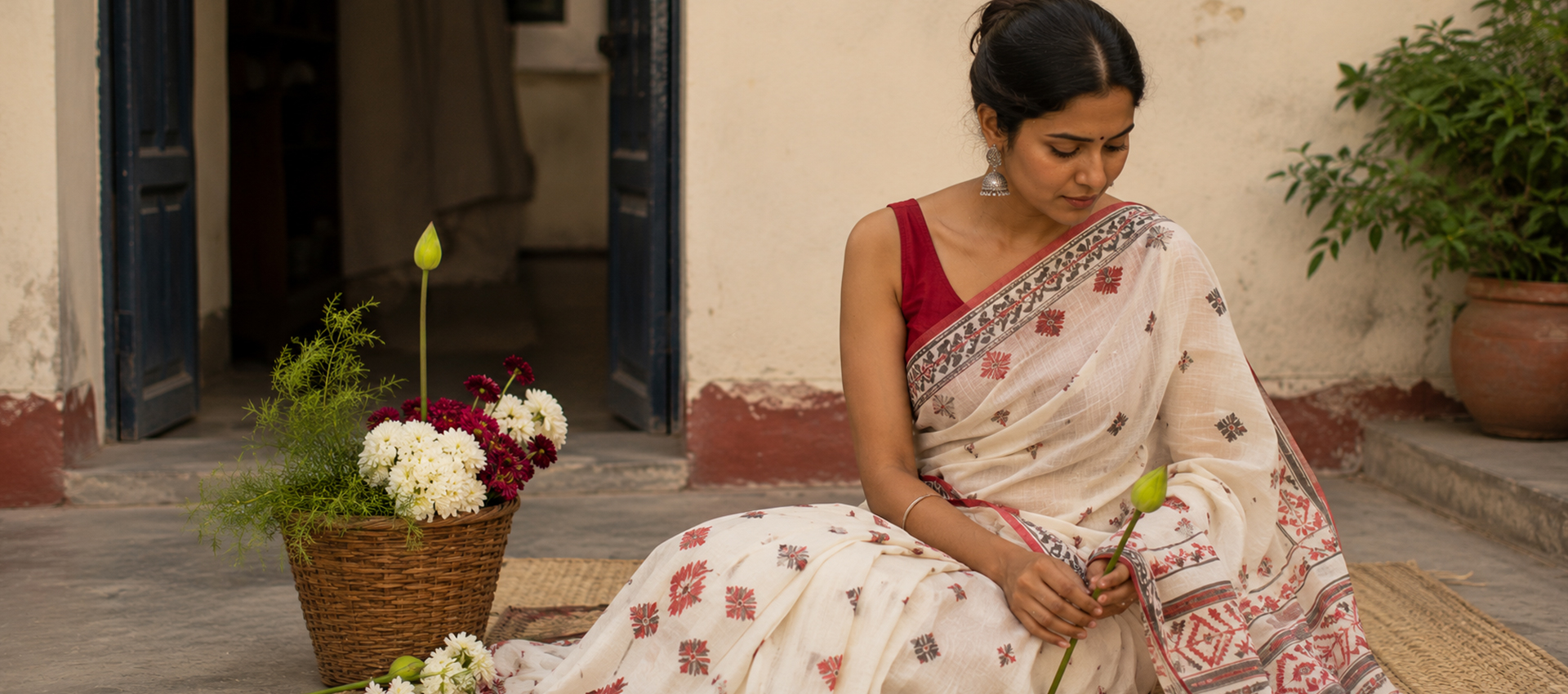
Bengal has given India its poets, its philosophers, its freedom fighters — and its finest cotton sarees. Woven on handlooms that have been passed down through generations of families living along the rivers of West Bengal and Bangladesh, Bengali cotton sarees carry a quietness, a refinement, and a deeply rooted sense of beauty that no other textile tradition quite replicates. This is their story — and your guide to choosing one.
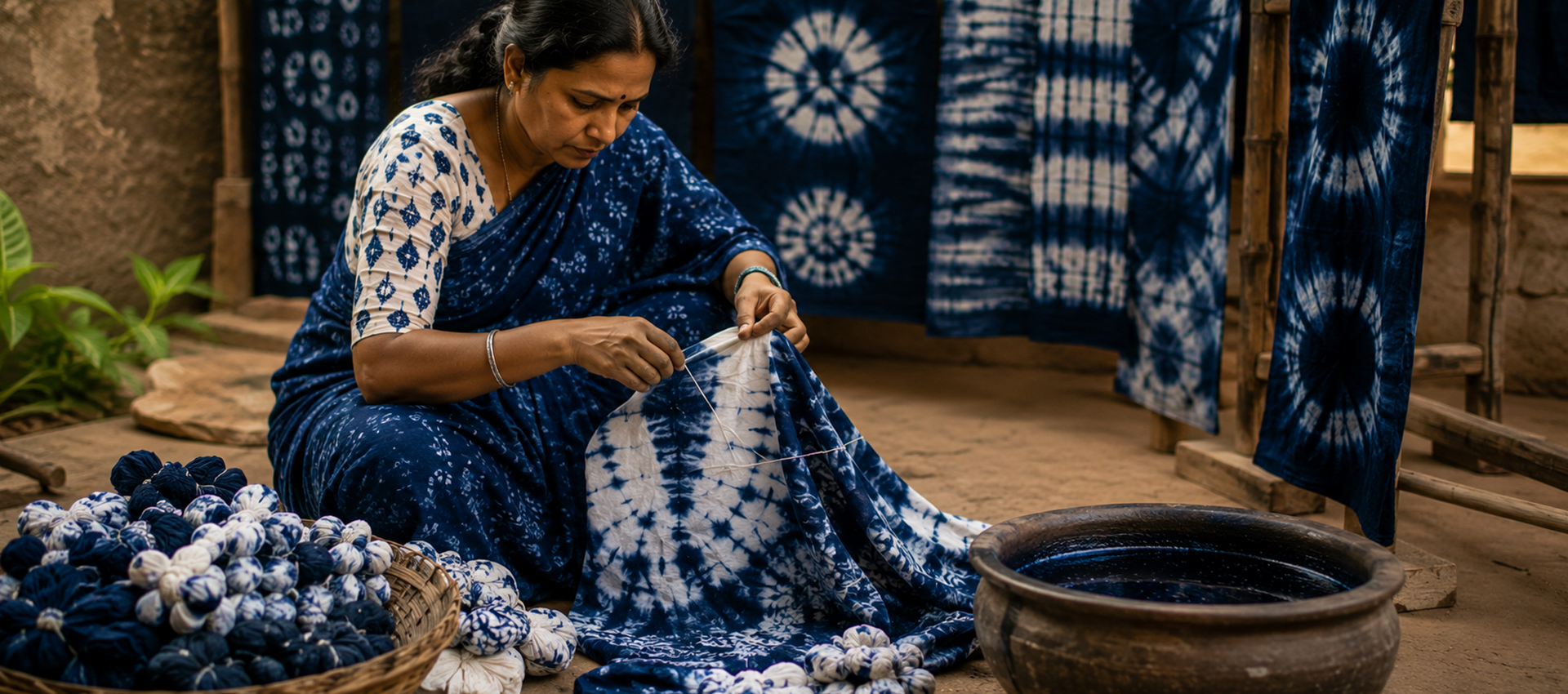
It is the art of resistance. You fold, bind, twist, or stitch fabric before submerging it in dye — and when you open it, the cloth reveals a pattern that no two hands could ever make identically. Shibori is five centuries old, three continents wide, and more relevant to contemporary fashion than it has ever been. Here is everything you need to know about it.
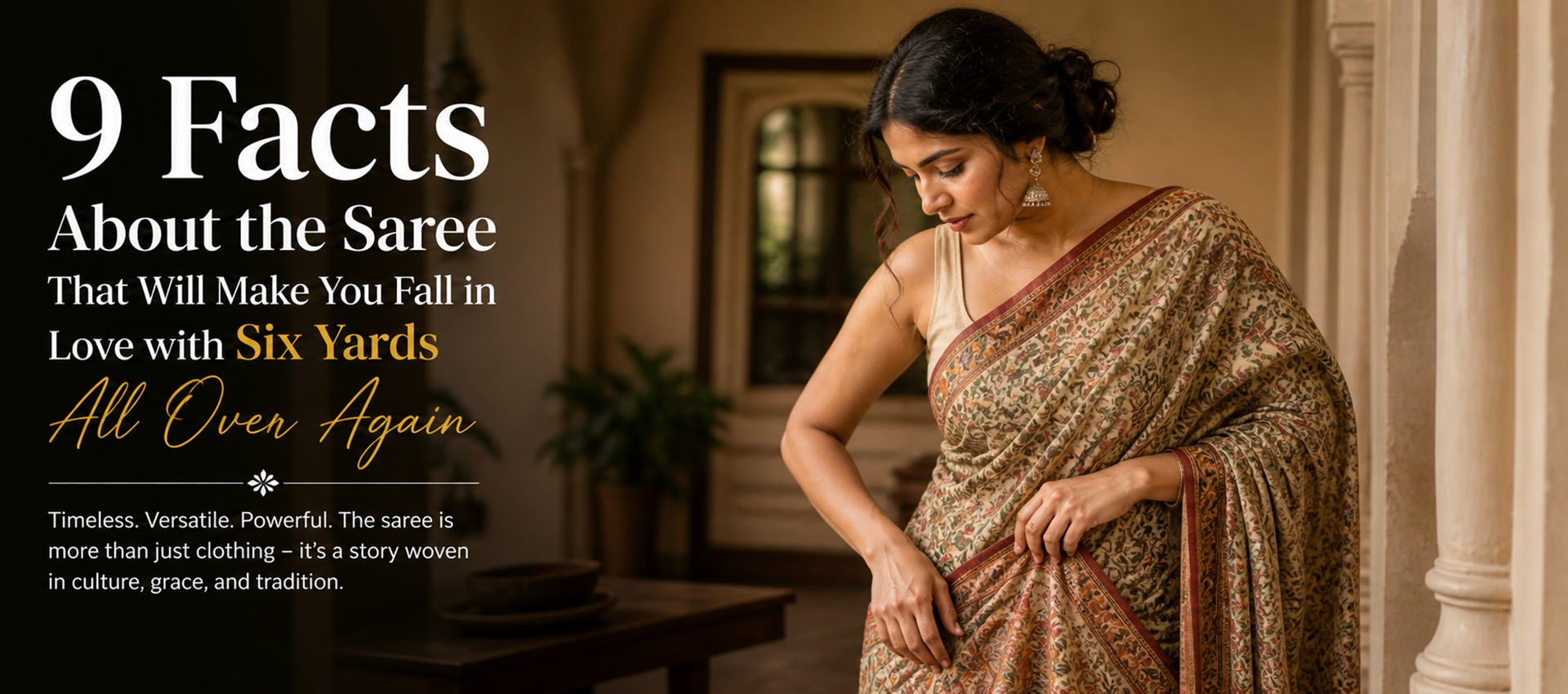
The saree is not just a garment — it is a civilisation draped in fabric. You've worn it, admired it, perhaps even gifted it. But how much do you truly know about the world's oldest continuous fashion? Here are nine facts that might surprise you.
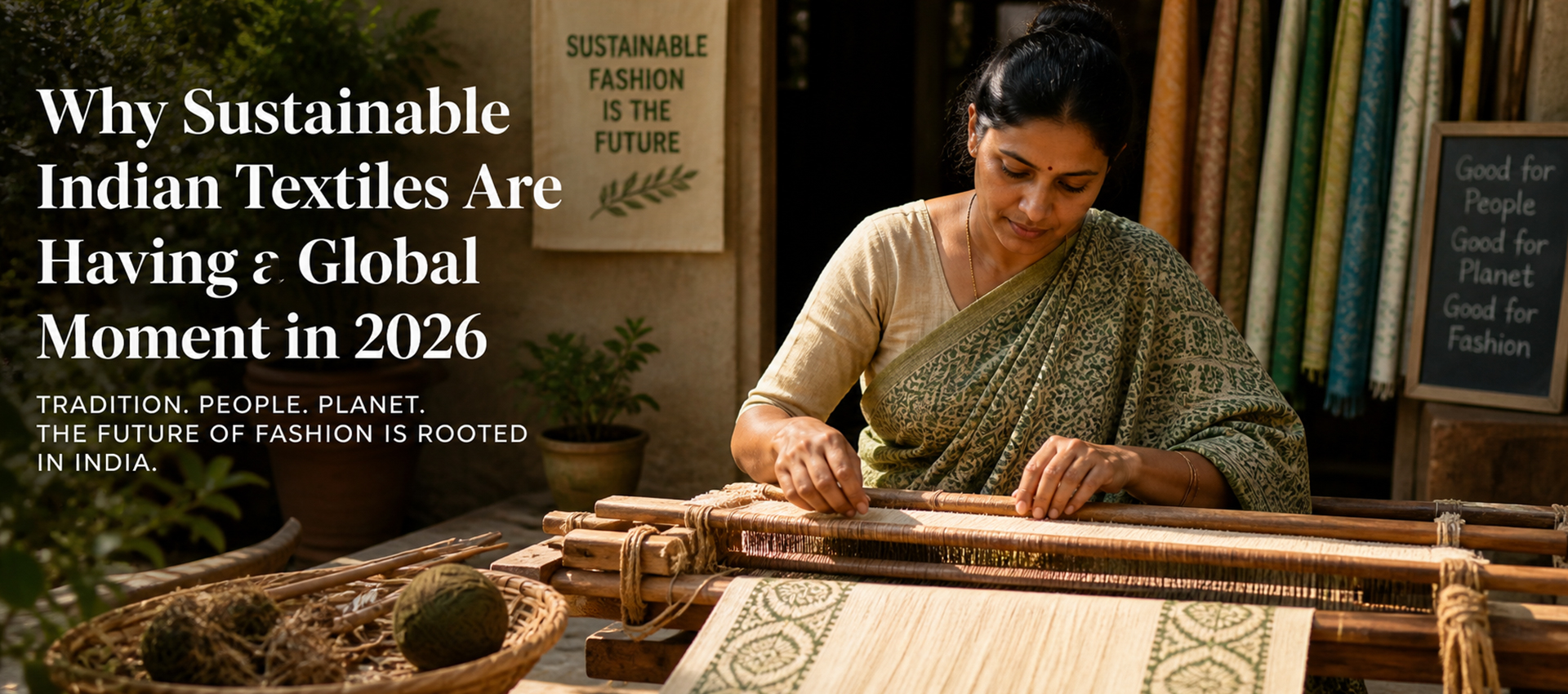
The world is waking up to what India has always known — that handwoven, handcrafted, and naturally dyed textiles are the most beautiful and responsible way to dress. In 2026, sustainable Indian textiles are no longer a niche interest. They are a global movement, driven by conscious consumers, a slow fashion revolution, and renewed pride in centuries-old craft traditions. This post explores why this moment is happening, what is fuelling it, and why choosing handmade from stores like Antarang is the most meaningful fashion choice you can make today.
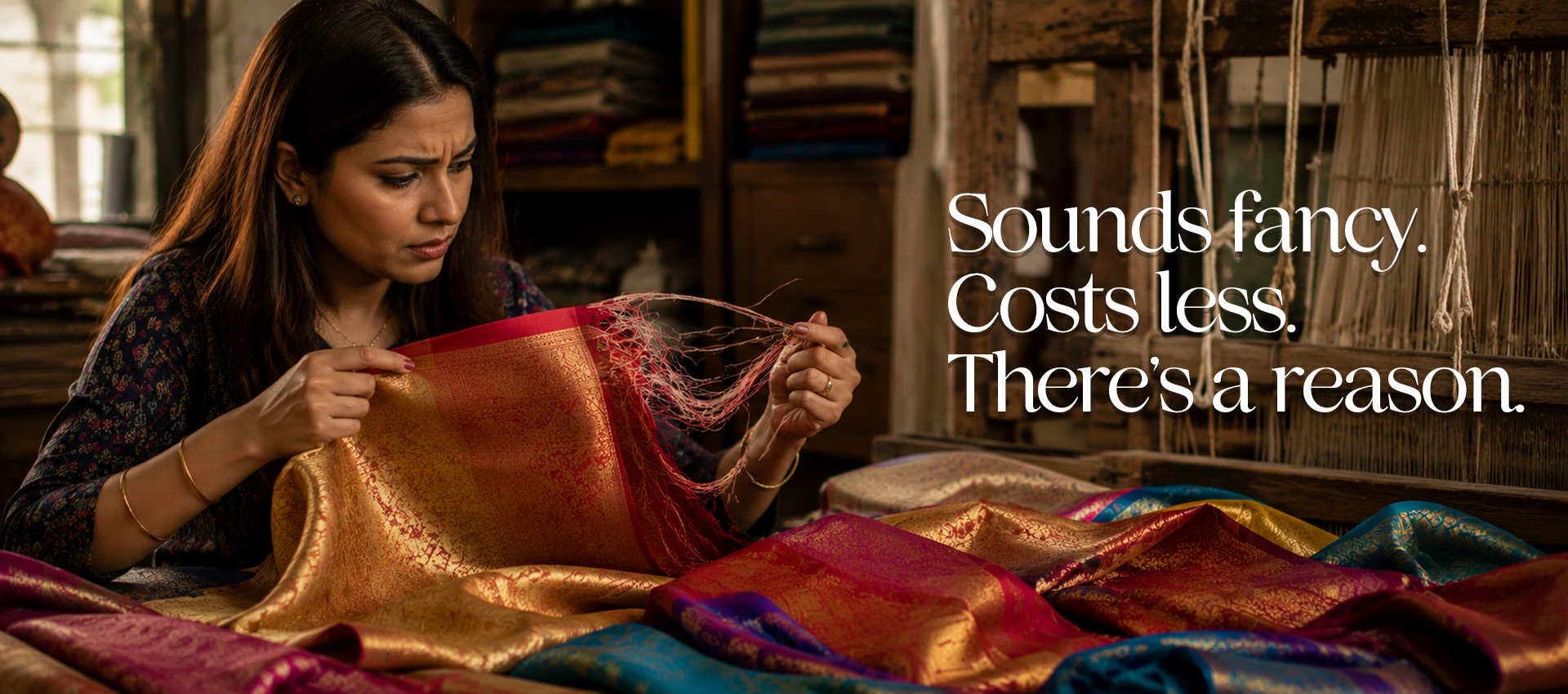
You saved up for a Kanjivaram. You paid what seemed like a fair price. You brought it home and it felt different — slightly too light, a little too uniform, oddly cool against the skin. You were not imagining things....
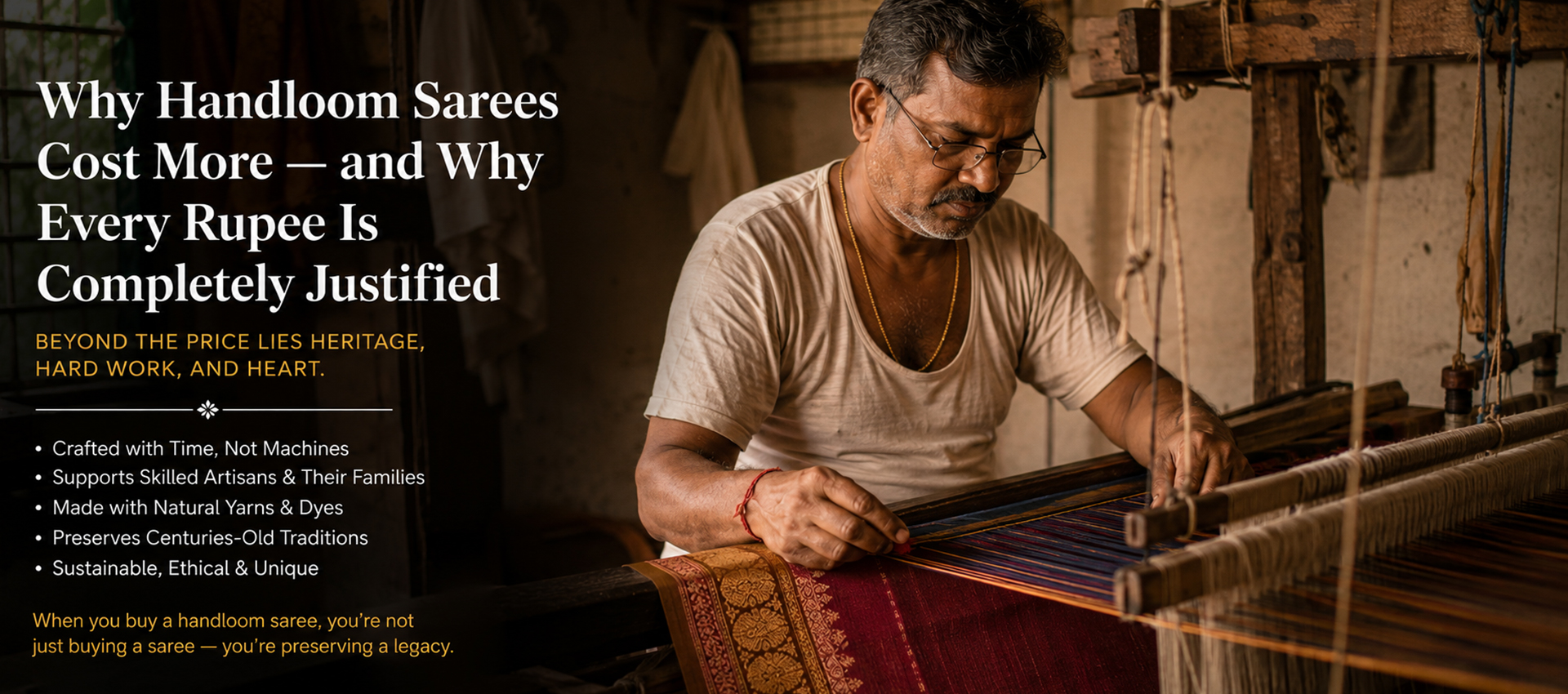
You have paused at the price tag. You have wondered if the difference is really worth it. Here is the honest, complete answer — with nothing left out. The price of a handloom saree is not a retailer's markup....
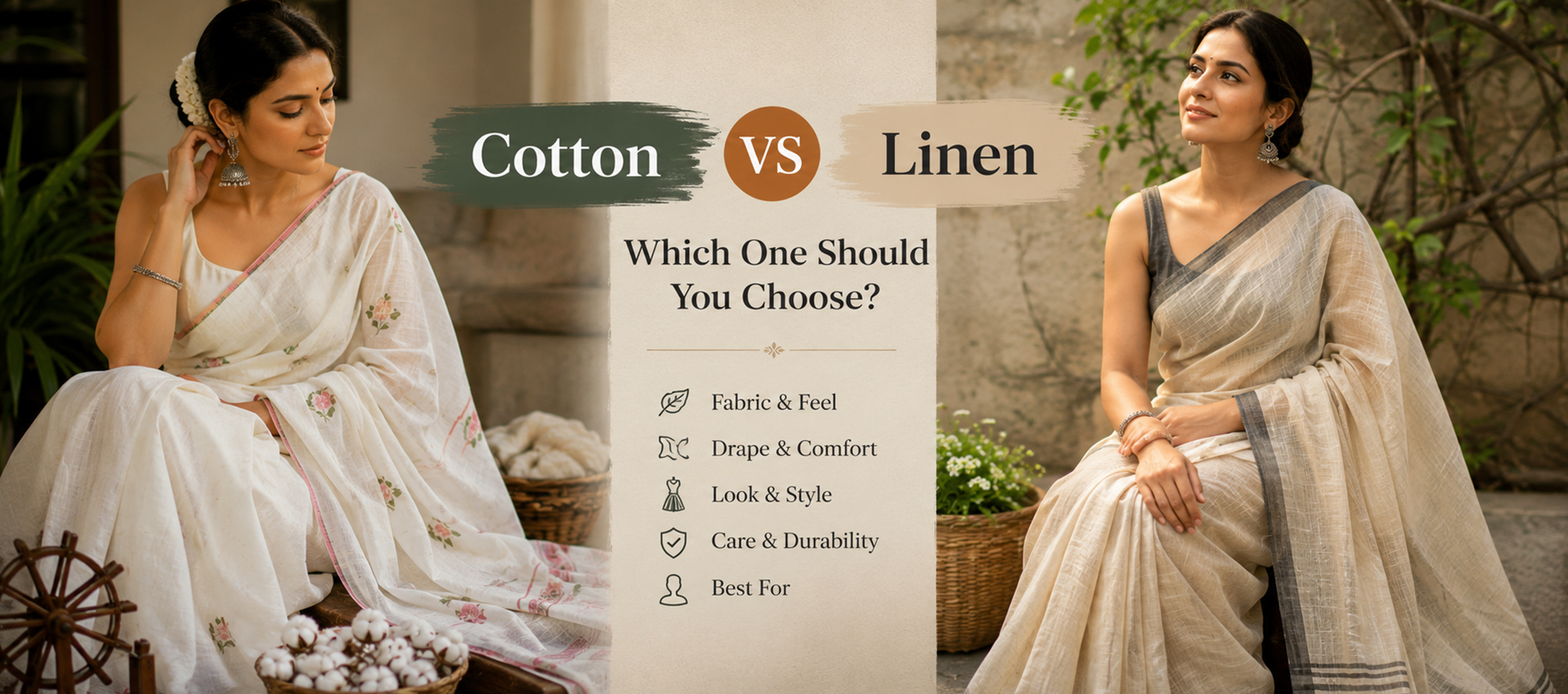
Both are natural. Both are breathable. Both are beloved by women who care about what they wear. But cotton and linen sarees are not interchangeable — and choosing the wrong one for your climate, lifestyle, or occasion is a mistake you will feel every time you drape it....
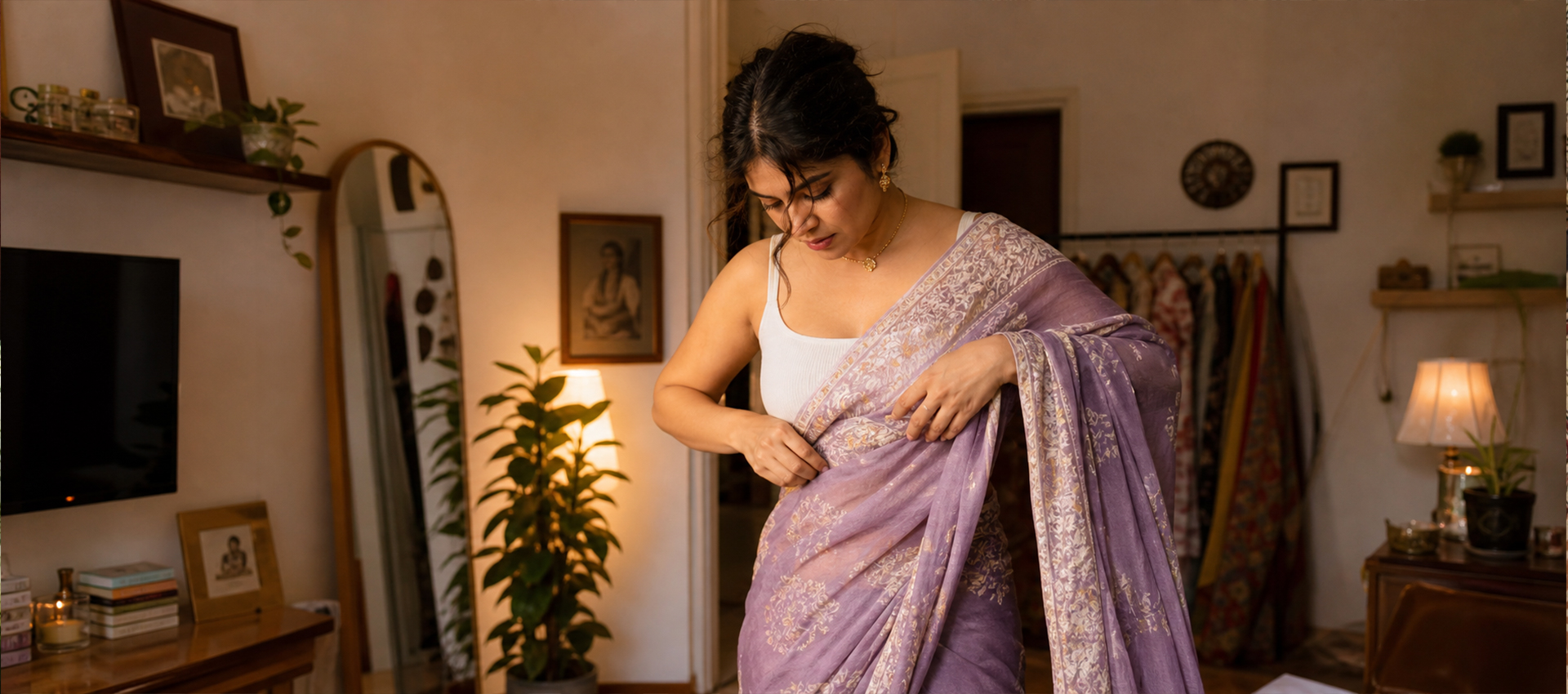
Love how sarees look but don’t enjoy wearing them? Discover lightweight sarees that feel comfortable and easy to manage. This guide helps modern women choose breathable fabrics, simple styling methods, and practical blouse options that make saree wearing effortless again.
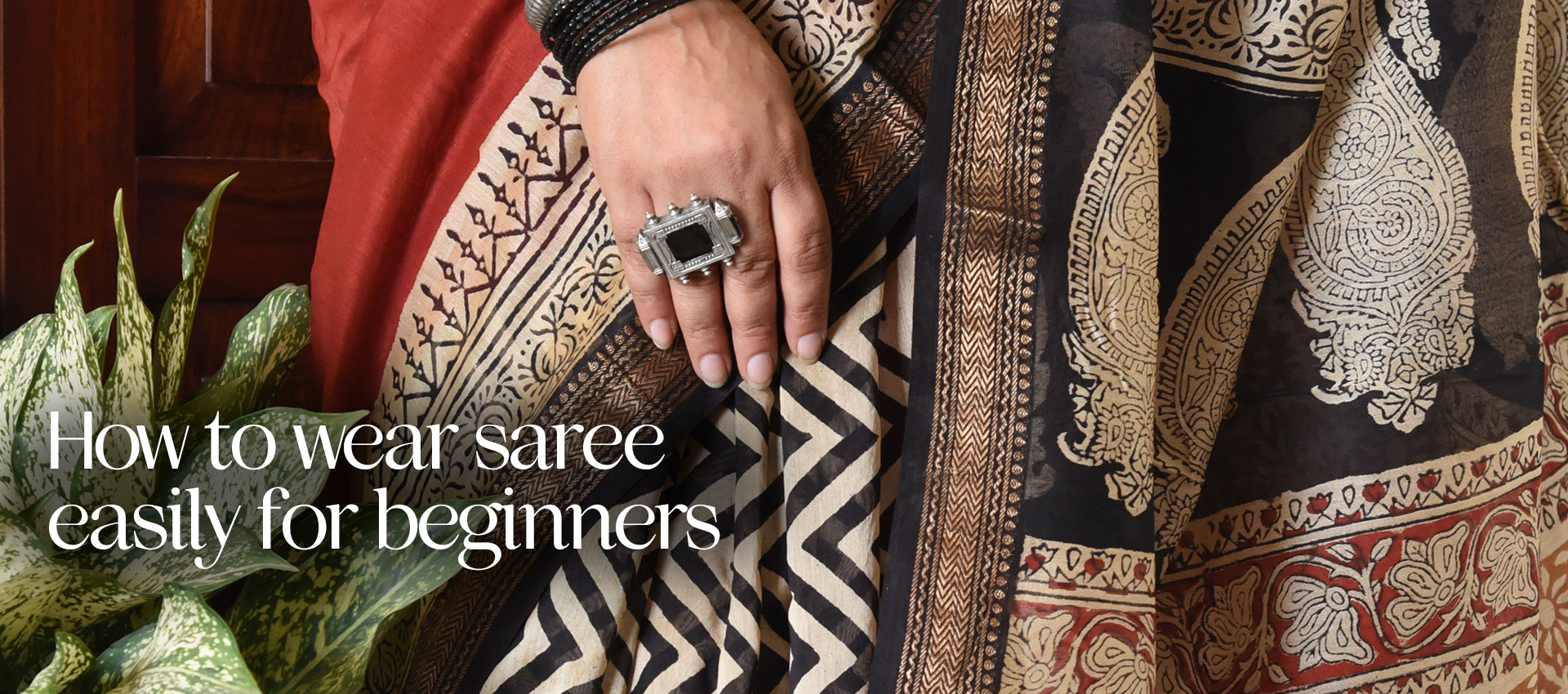
Struggling with saree draping? This beginner-friendly guide explains simple steps to wear a saree comfortably using lightweight fabrics like cotton silk, Maheshwari, and linen. Learn practical styling tips that make saree wearing easier, faster, and more confident for everyday elegance.
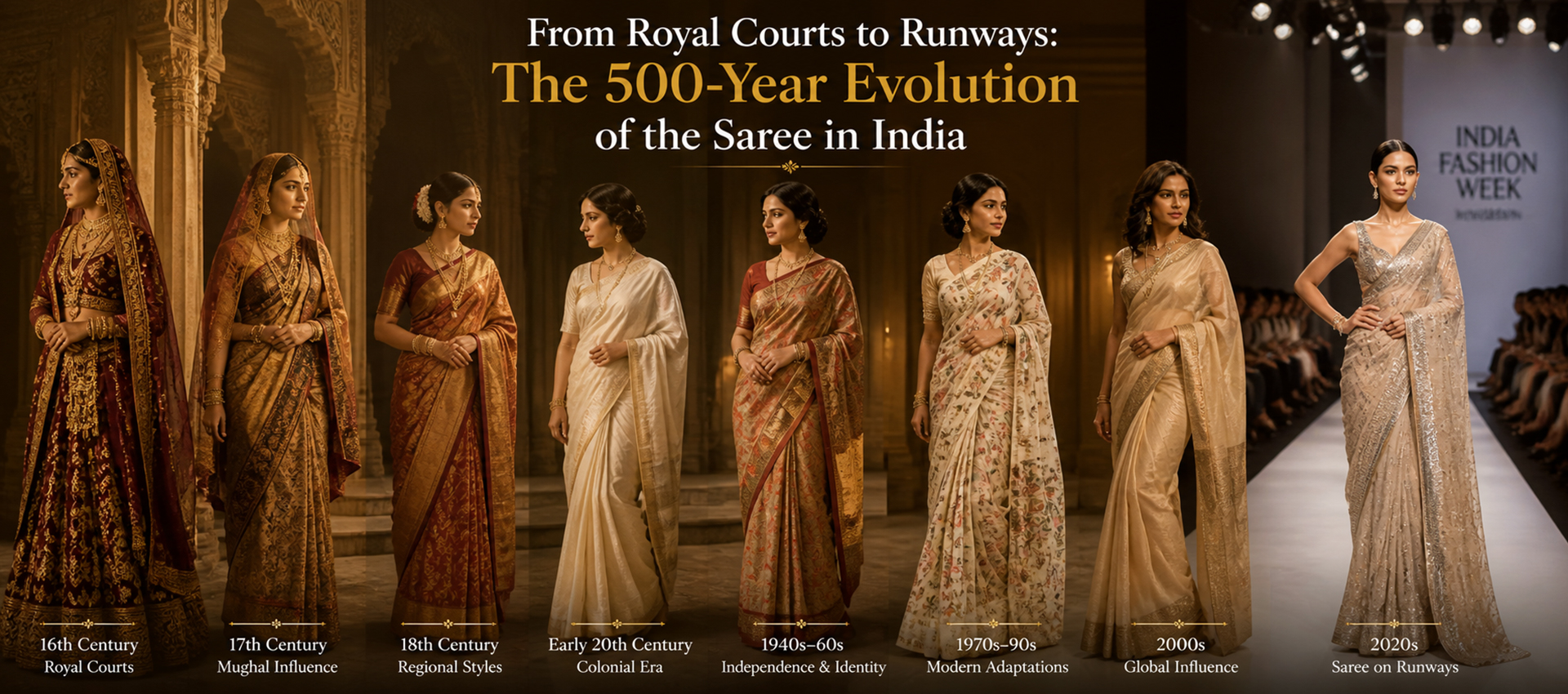
Half a millennium. Countless empires, revolutions, colonial rule, independence, and the rise of a digital economy. Through every seismic shift in Indian history, one garment endured, adapted, and emerged more beloved than before. This is the story of the saree — told across five centuries.
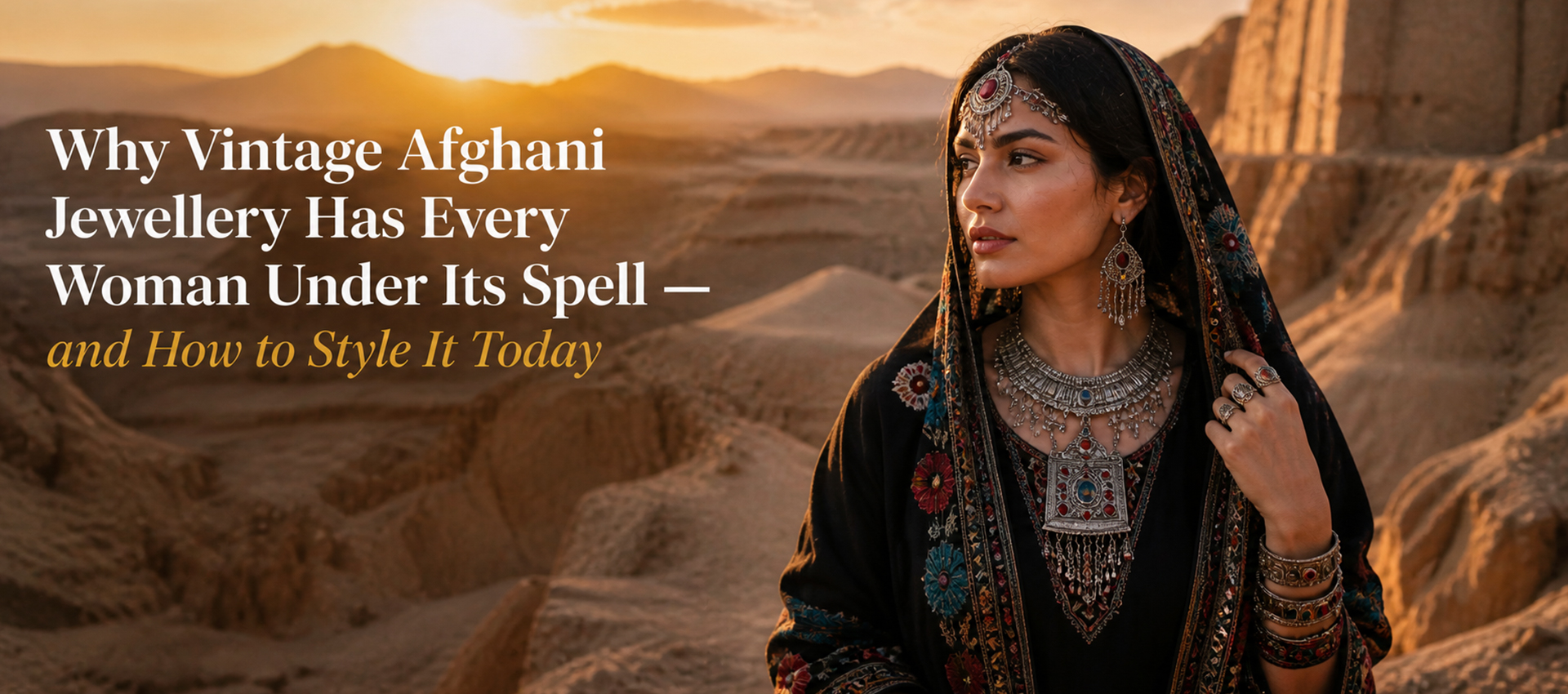
It is heavy. It is loud. It has survived centuries of trade routes, tribal wars, and fast-fashion trends. And somehow, it looks more relevant today than it ever has....
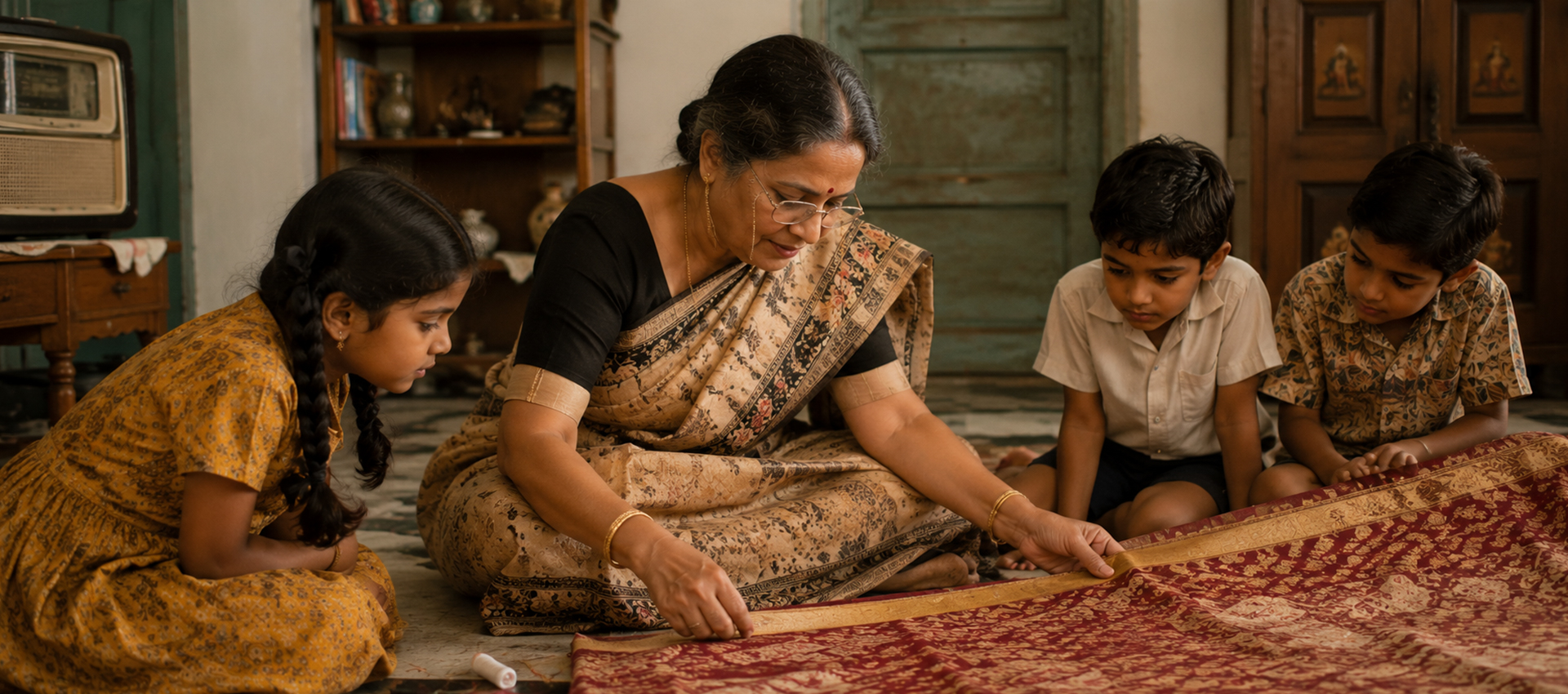
You spent thousands on a handloom saree. You store it carefully, dry-clean it religiously, and drape it with love. But if your saree does not have a proper fall and edging, everything else you are doing is not enough. Here is the honest truth about the most overlooked step in saree care — and what happens when you skip it.
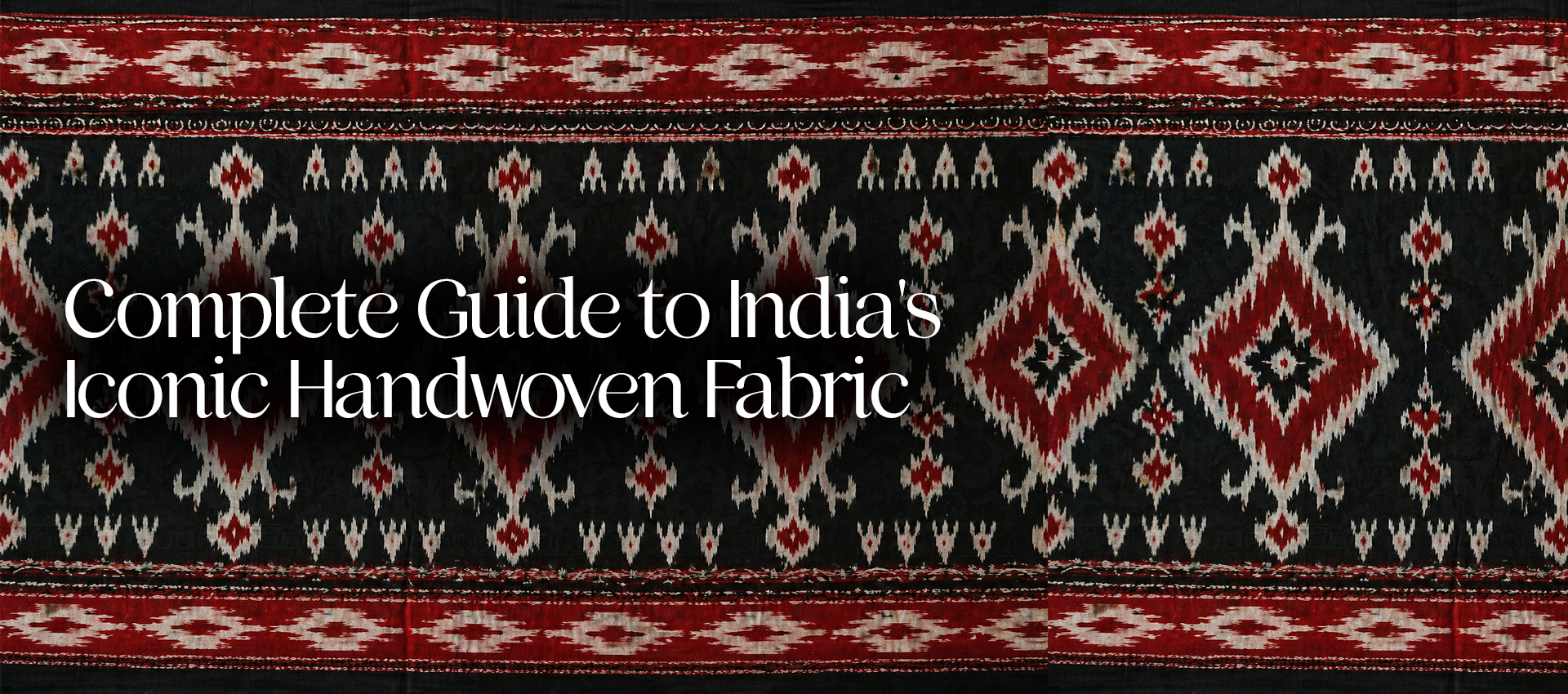
Ikat is one of India's oldest and most extraordinary textile traditions — a technique where patterns are dyed into the thread before weaving begins, creating the fabric's iconic blurred, feathered-edge motifs. Practised for centuries across Odisha, Gujarat, Telangana, and Andhra Pradesh, Indian ikat holds seven distinct Geographical Indication tags and has found an enthusiastic global audience in 2026. This guide explains exactly what ikat is, how it is made, the major regional varieties, how to identify genuine handwoven ikat, and how to wear it beautifully today.
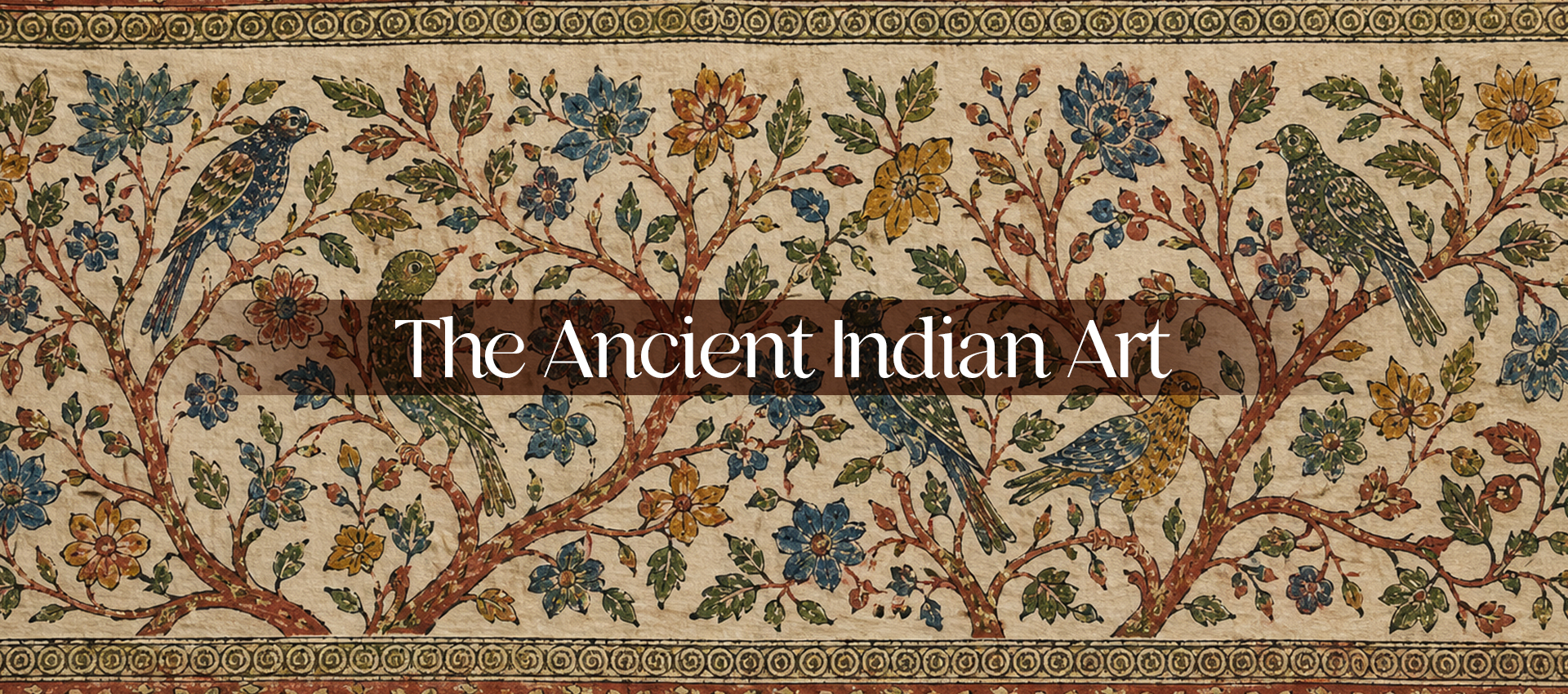
Hand block printing is one of the oldest textile art forms in the world — a 2,000-year-old craft where hand-carved wooden blocks are pressed into natural dyes and stamped onto fabric, one impression at a time. Born in the villages of Rajasthan and Gujarat, refined under Mughal patronage, and now beloved by conscious consumers from Jaipur to Japan, block printing is experiencing a powerful global revival in 2026. This complete guide covers the history, the six major Indian block printing styles, the step-by-step process, how to identify authentic hand block printed fabric, and how to wear it beautifully today.
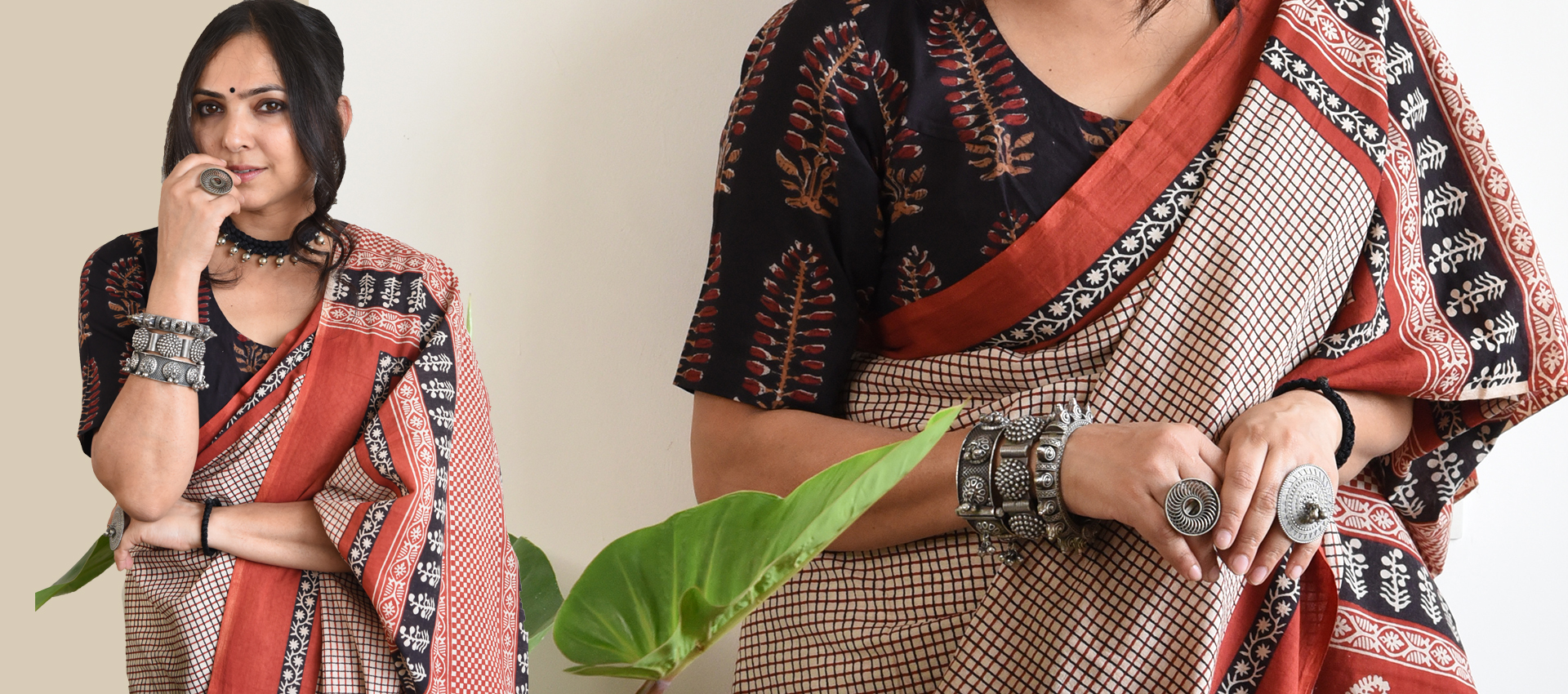
Many women believe sarees feel heavy during summer, but the right fabrics actually make sarees one of the most breathable and elegant outfits for warm weather. This guide explains why lightweight sarees are ideal summer companions and how to style them comfortably across occasions.
