It starts long before the loom
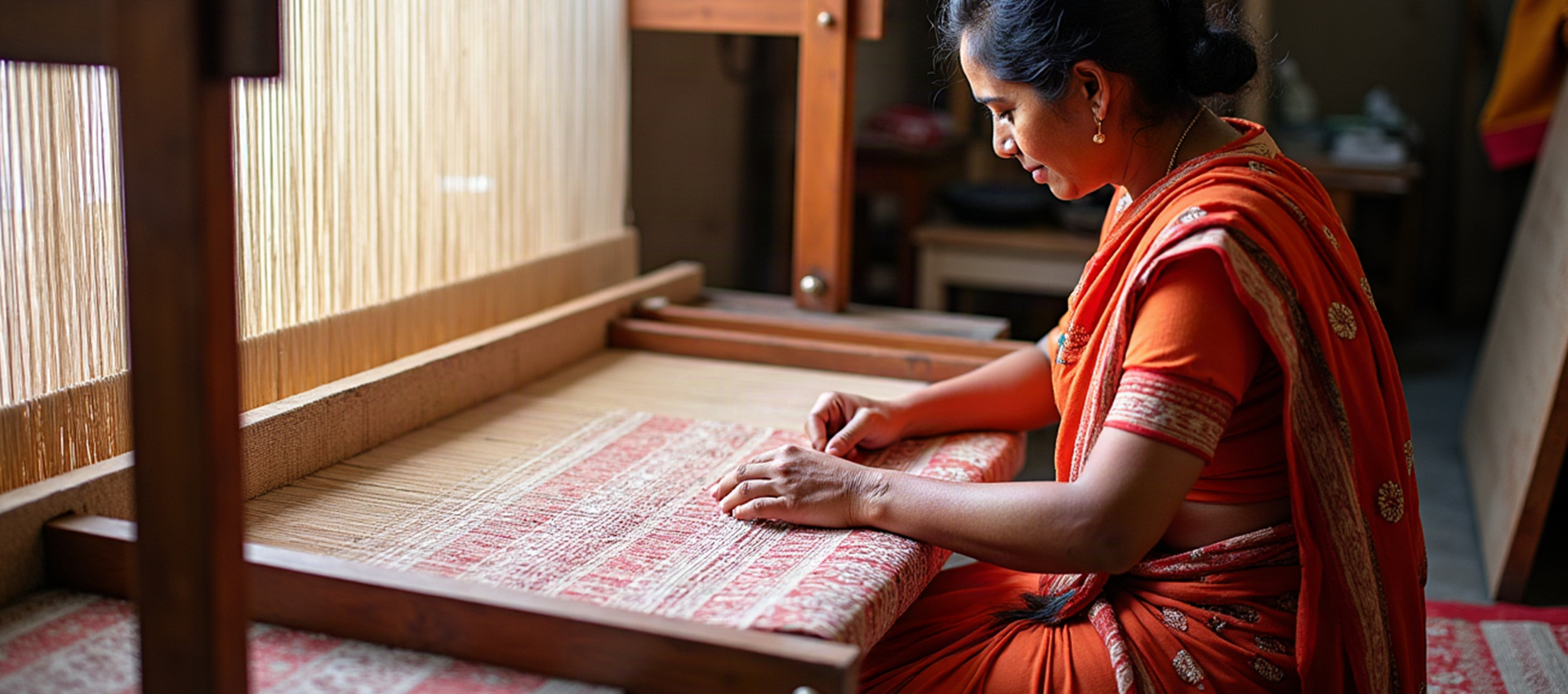
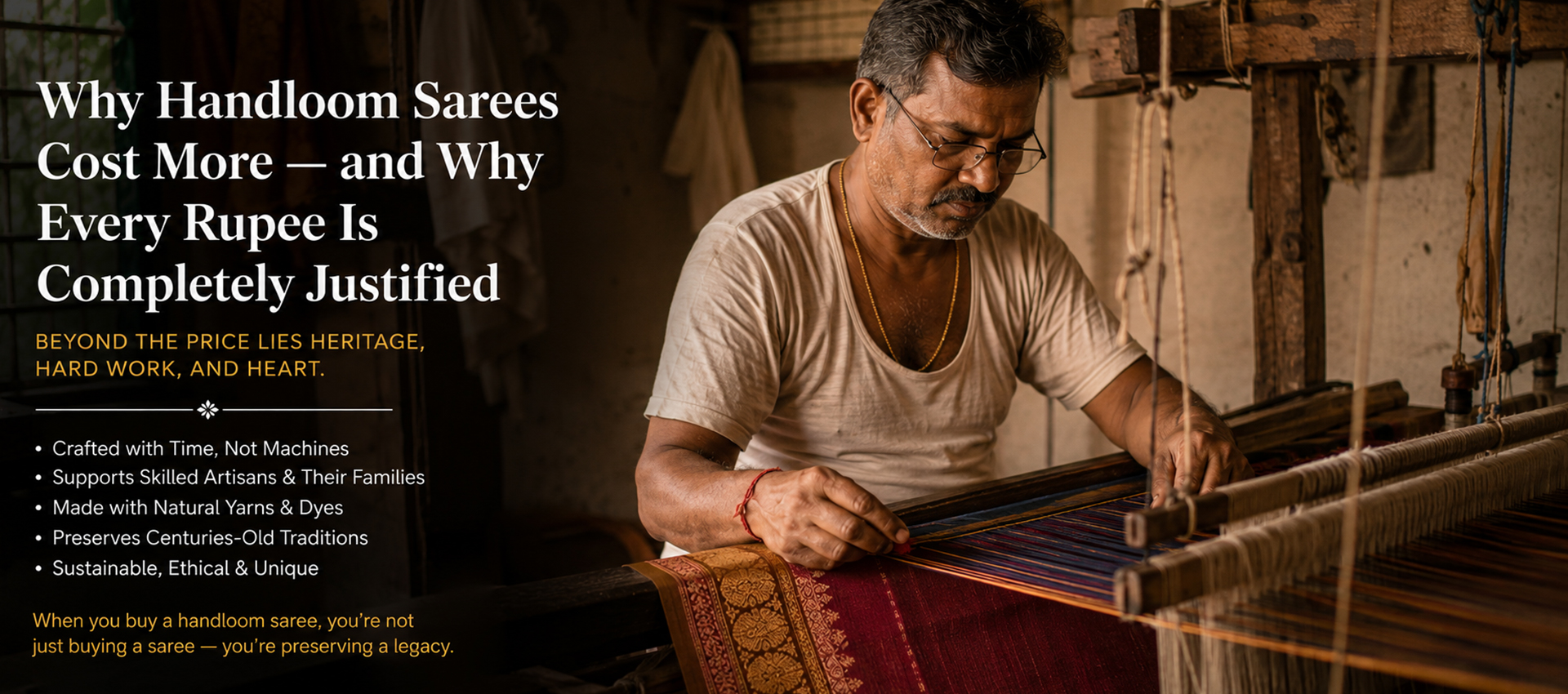
Before a single thread is woven, a handloom saree has already consumed days of work. The design is mapped by hand — sometimes on graph paper, thread by thread. Yarn is sourced, sorted, and dyed in natural dye baths that can span several days. The warp — anywhere from 3,000 to 8,000 individual threads — is then measured, tensioned, and threaded through the loom by hand, a process that alone can take two to four full days. A power loom skips all of this. A handloom weaver cannot.
The weaving itself is breathtakingly slow
A simple handloom cotton saree takes three to five days of continuous weaving. A Jamdani or Kanjivaram with complex motifs can take three to six months — with the weaver producing as little as a few centimetres per hour on intricate patterns. Every pick of the shuttle is a deliberate act. There is no speeding up without breaking the weave. A power loom produces in twenty minutes what a master weaver takes twenty days to make — and that gap is exactly what you see in the price.
The materials are in a different category entirely
Handloom-grade silk, fine cotton, and authentic zari cost significantly more than the synthetic blends used in mill production. Real Benarasi zari is silver wire coated in gold — not metallic polyester. Naturally dyed yarns require rare plant and mineral dyes, multiple dye baths, and long fixing times. These are not premium choices made for marketing. They are the only materials that hold up to the demands of handloom weaving and the test of decades of wear.
You are also paying for a lifetime of skill
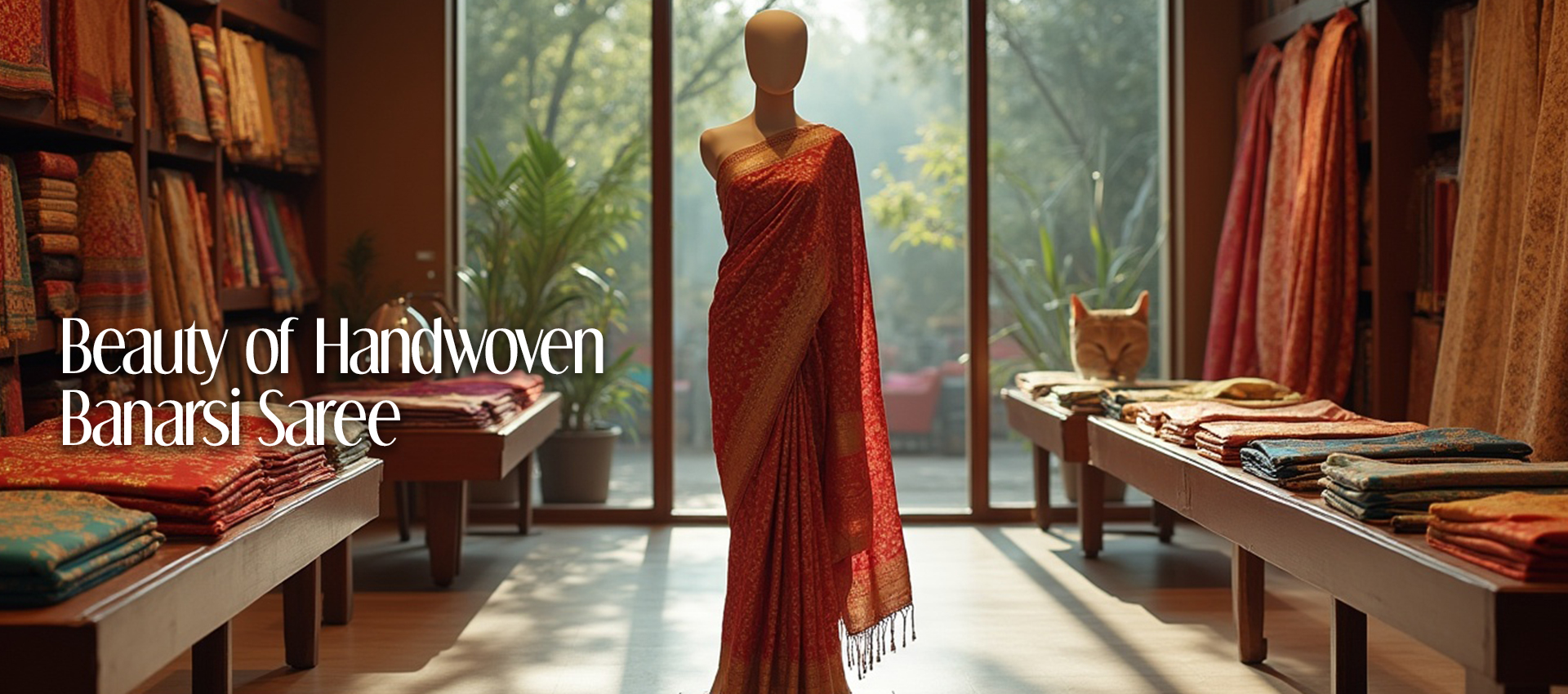
The Complete Guide to Banarasi Sarees: 10 Types Every Saree Lover Should Know
September 28th, 2026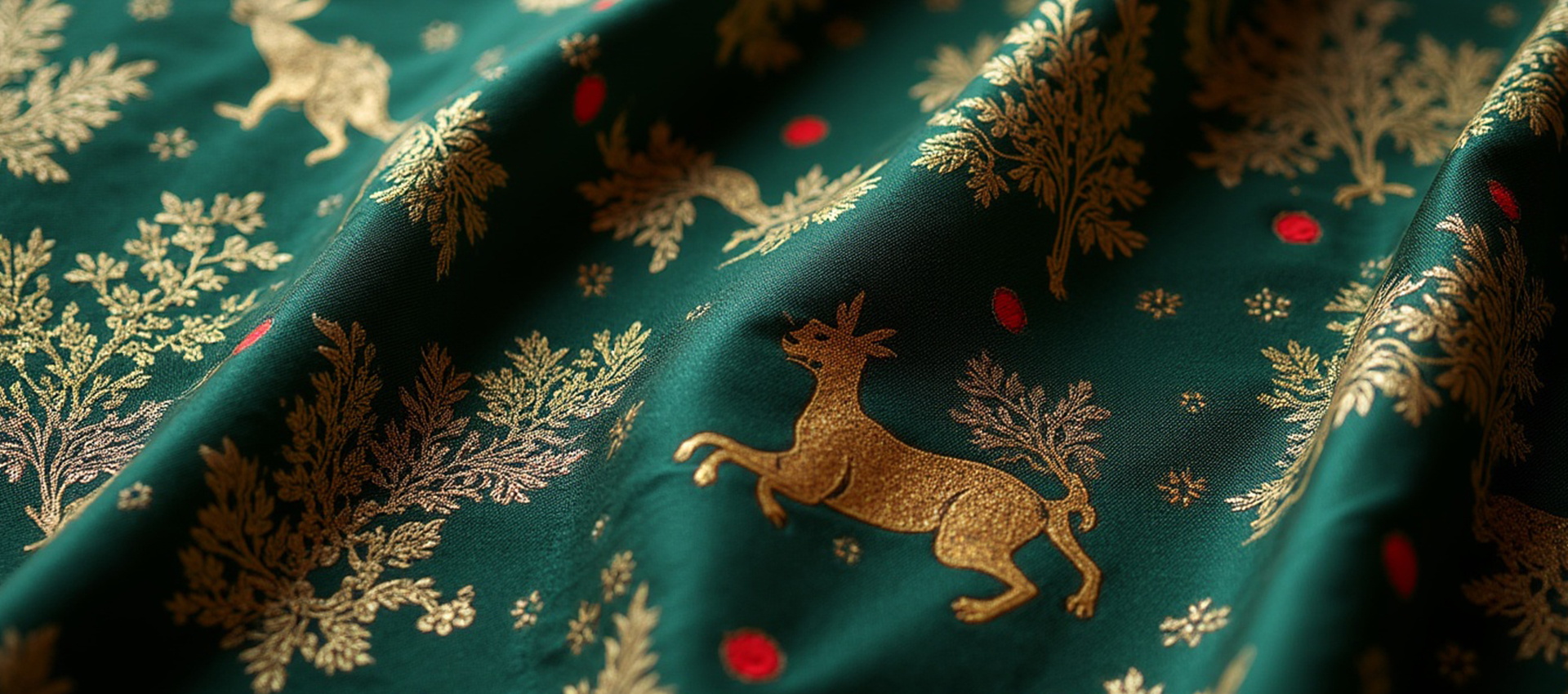
11 Fascinating Facts About Banarasi Sarees You Probably Never Knew
September 24th, 2026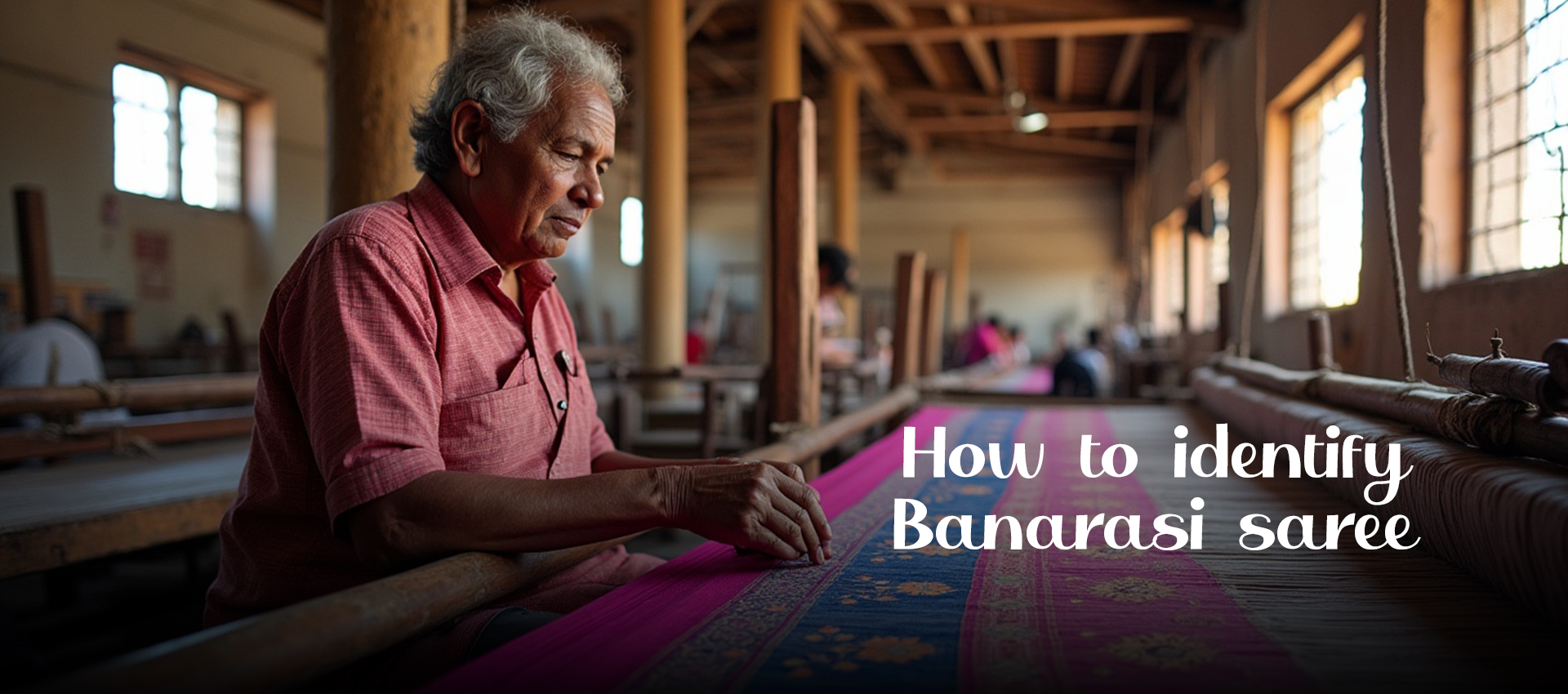
Real vs Fake Banarasi Saree: 9 Ways to Spot Authentic Handloom Weaving
September 17th, 2026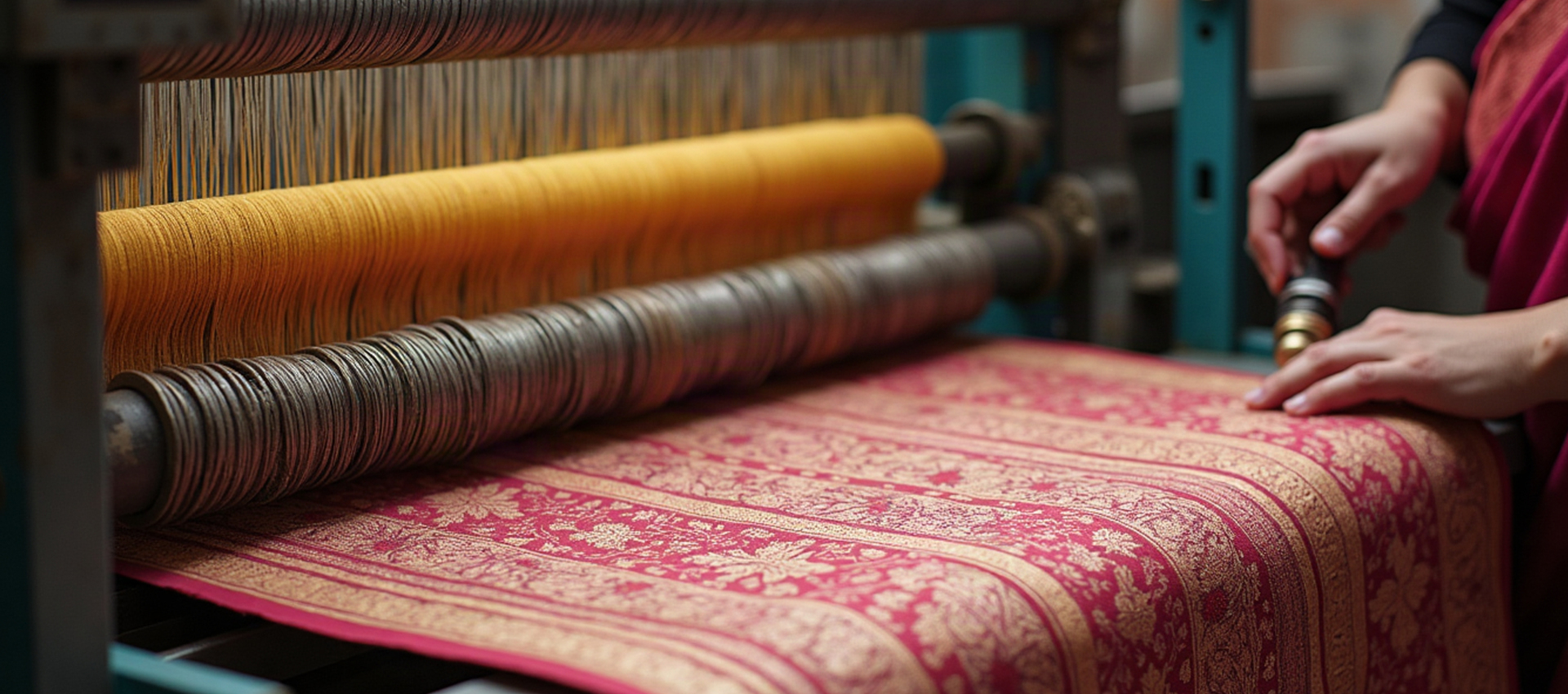
Jacquard Weaving Explained: Why Jacquard Does NOT Mean Powerloom
September 10th, 2026